



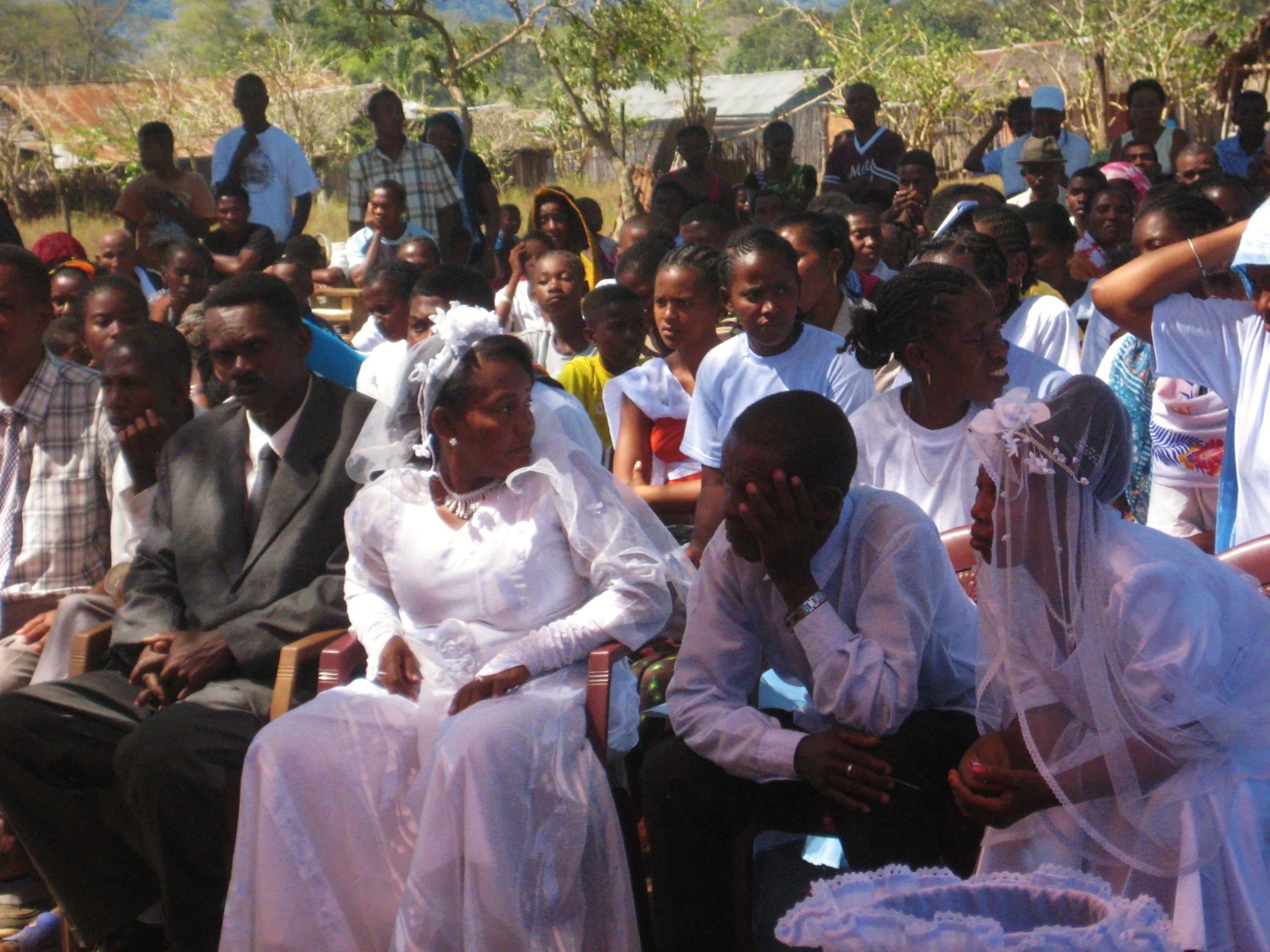
In Madagascar, marriage goes beyond a union between two individuals. It begins with a structured cultural process that connects couples to their families, traditions, and ancestors. Before any celebration takes place, families gather and elders guide rituals that honor those who came before. This approach reflects a belief that a marriage cannot fully begin without recognizing ancestral presence in Madagascar weddings.
These practices position love within a broader cultural and spiritual framework. Instead of focusing only on personal choice, marriage also involves responsibility toward family values and long-standing traditions.
The role of rituals and cultural practices
Traditional customs strongly influence how weddings take place in Madagascar. Families follow specific guidelines shaped by beliefs such as fady, which refers to taboos that guide daily and ceremonial life. These rules affect decisions on timing, behavior, and communication during the wedding process.
For example, families may avoid certain days or actions based on cultural expectations. They also choose their words carefully to respect traditions. While these practices may appear complex to outsiders, they remain essential in maintaining social harmony within communities.
Ancestors at the center of marriage
Ancestors play a central role in Malagasy weddings. Communities do not view them as distant figures but as active participants in the present. Rituals performed before marriage serve as a way to connect the couple’s future with their family history.
In some cases, traditions such as famadihana reinforce this connection. This practice allows families to honor and remember their ancestors in a visible and shared way. Through such customs, marriage becomes a continuation of family lineage rather than a completely new beginning.
Changing perspectives among younger generations
As Madagascar continues to modernize, perspectives on marriage are gradually shifting. Younger generations, especially in urban areas, increasingly view love as a personal choice. They tend to prioritize individual compatibility and emotional connection over strict adherence to tradition.
This shift creates a growing debate about the role of rituals in modern relationships. Some young couples find traditional requirements restrictive, while others still value them as a source of identity and belonging.
Balancing tradition and modern life
The interaction between tradition and modern values creates a subtle tension. Couples often navigate between respecting cultural expectations and expressing personal freedom. In many cases, they seek a balanced approach that allows them to honor their roots while adapting to current realities.
This balance offers opportunities for cultural preservation while encouraging flexibility. At the same time, it presents challenges, particularly when expectations from families differ from individual preferences.
Implications for the future of marriage
The evolving nature of marriage in Madagascar reflects broader social changes. As education, urbanization, and global influences increase, couples will likely continue redefining how traditions fit into their lives.
There is an opportunity to create inclusive practices that respect both heritage and personal choice. However, failing to manage this balance could lead to generational misunderstandings or reduced cultural continuity.
Looking ahead, marriage in Madagascar will likely remain a blend of tradition and modern thinking. The ongoing dialogue between these elements will shape how future generations understand love, commitment, and family.
Marriage in Madagascar represents more than a celebration of love. It serves as a connection between the past and the present, where traditions and ancestral values guide the union. At the same time, modern perspectives continue to influence how couples approach relationships.
This interaction creates a dynamic environment where culture evolves without losing its foundation. In this context, love does not exist in isolation. It carries history, belief, and responsibility, shaping marriages that reflect both heritage and change.


