


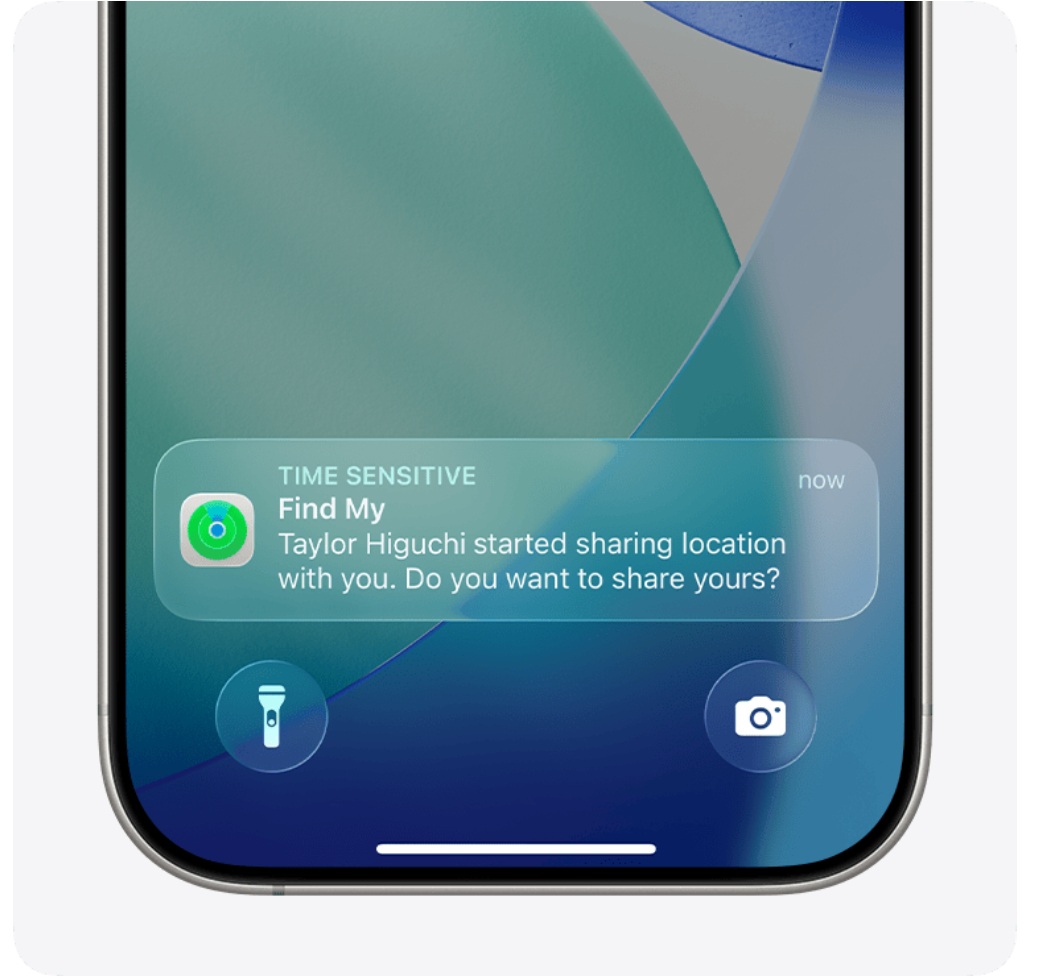
Sharing live phone locations has become increasingly common among couples. At first, many people see it as a simple way to stay connected and improve safety. Partners often use location tools to know when someone arrives home safely, leaves work, or travels late at night.
However, relationship experts and privacy advocates now warn that constant tracking can slowly create emotional pressure, anxiety, and control inside relationships. What begins as a caring gesture can later become a source of suspicion and emotional discomfort.
Today, apps such as Apple’s Find My, Google Maps, and Life360 allow couples to monitor each other’s movements in real time. As a result, many relationships now include digital habits that previous generations never experienced.
How safety can slowly become surveillance
At the beginning, location sharing often feels harmless. Couples may agree to use it during travel, late-night outings, or emergencies. Over time, though, some partners begin checking the app constantly throughout the day.
Small changes in routine can suddenly create unnecessary tension. A delayed location update, an unexpected stop, or a short visit to another place may trigger suspicion and emotional stress.
A psychologist specializing in digital relationship behavior explained that constant tracking may weaken trust instead of strengthening it.
The expert said: “Location sharing creates a dangerous illusion of certainty. Couples often think they are using it to build trust, but it frequently achieves the exact opposite. True trust is believing a partner is where they say they are without needing to check a digital map. Tracking doesn’t build trust; it simply automates monitoring.”
According to specialists, healthy trust depends on communication and emotional security, not permanent digital observation.
Relationship anxiety increases with constant monitoring
Experts also say live tracking can intensify insecurity in relationships. Partners who already struggle with anxiety or overthinking may become emotionally dependent on location updates.
As a result, every unusual movement can appear suspicious, even when there is a simple explanation. Poor internet connection, traffic, or unexpected errands may quickly create misunderstandings.
Chloe OBIANG, who shared locations with her fiancé for two years, admitted the experience eventually affected her emotionally.
She said: “I realized we had a massive problem when I found myself zooming in on the satellite view of a parking lot to see if his dot was closer to a restaurant or a hotel. I wasn’t keeping him safe. I was policing him. The app turned me into a version of myself that I absolutely despised.”
Her testimony reflects concerns raised by many relationship counselors. They argue that constant monitoring can create unhealthy emotional habits and damage personal peace.
The hidden loss of privacy and independence
Continuous location sharing can also affect personal freedom inside a relationship. Even loyal and transparent partners may begin feeling pressure knowing their movements are constantly visible.
Over time, some individuals avoid spontaneous decisions because they fear questions or misunderstandings later. Simple activities, such as visiting a friend or stopping at a bookstore, may suddenly require explanations.
Psychologists explain that this environment can slowly reduce personal autonomy. Relationships function best when both individuals maintain trust, communication, and healthy independence.
Additionally, constant tracking may remove the natural excitement of sharing experiences directly with a partner. Instead of telling a story personally, the app already reveals where someone has been.
Experts recommend clear digital boundaries
Relationship specialists do not completely oppose location sharing. Instead, they encourage couples to create clear boundaries and honest discussions before using tracking features.
Many experts recommend temporary or conditional sharing instead of permanent monitoring. For example, couples may activate tracking during travel, emergencies, or outdoor activities, then disable it afterward.
This balanced approach helps preserve both safety and personal freedom.
Looking ahead, experts believe conversations about privacy, technology, and emotional boundaries will continue growing as digital tools become more integrated into relationships. Couples who communicate openly about expectations may avoid many conflicts linked to digital surveillance.
ALSO READ: Muslim Weddings in Rwanda: Faith, Family, and the Beauty of Nikah


