


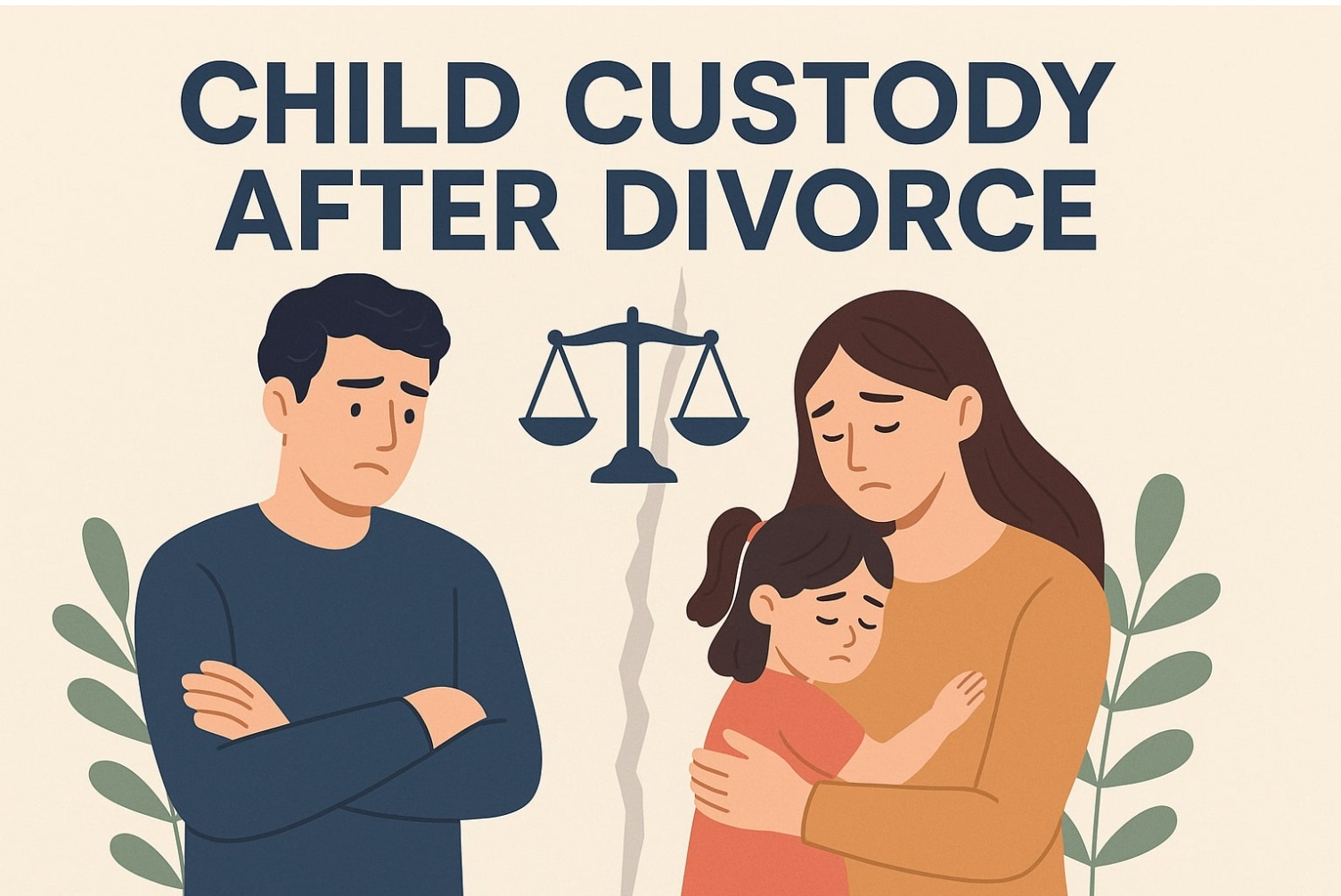
For separated parents, ending a relationship does not end shared responsibilities. Instead, it begins a new phase that requires constant communication, emotional adjustment, and long-term organization. Although joint custody often aims to provide stability for children, many parents describe it as emotionally and logistically demanding.
Managing two households, coordinating schedules, and maintaining emotional balance can quickly become overwhelming. Still, many families continue working toward healthier co-parenting arrangements for the wellbeing of their children.
The daily logistical pressure of joint custody
On paper, joint custody may appear simple. In reality, however, it often involves constant planning and coordination between two separate homes.
Parents frequently deal with forgotten school materials, misplaced clothing, changing schedules, and transportation challenges. Small issues can rapidly create stress when communication between parents becomes difficult.
Many separated parents explain that maintaining consistency for children requires ongoing effort. The challenge extends beyond deciding where children sleep. It also involves preserving routines, school stability, healthcare follow-ups, and emotional comfort.
To reduce tension, some families now rely on co-parenting applications and digital calendars. These tools help organize schedules, monitor shared expenses, and avoid unnecessary conflict during communication.
Emotional adjustment remains one of the hardest parts
While logistics create pressure, emotional adaptation often becomes the greatest challenge for separated parents. Transitioning repeatedly between parenting full time and living alone can create emotional instability for both mothers and fathers.
Many parents describe a feeling of emptiness after their children leave for the other parent’s home. Over time, they must learn how to balance personal identity with shared parenting responsibilities.
At the same time, feelings of guilt remain common. Some parents fear that separation may negatively affect their children’s emotional stability. However, family experts often emphasize that children benefit more from consistent love, communication, and emotional safety than from simply living under one roof.
Parents describe the reality behind co-parenting
Interviews with separated parents reveal that although experiences differ, most share the same goal, creating peace and stability for their children.
Marc-Antoine, a father of two, explained how pride and emotional tension initially complicated communication with his former partner:
“At first, I wanted everything to be perfect when I had the kids, to compensate for the absence. I was defensive with their mother. I had to learn to let go of my pride. Today, I’ve realized that if I stay rigid, the children are the ones who suffer. I have often been the one who had to swallow my pride so that the hand-off could happen without shouting.”
Many fathers say they struggle to recreate emotional comfort in limited parenting time. Others admit that unresolved emotions from the relationship sometimes affect co-parenting discussions.
On the mothers’ side, logistical organization frequently becomes a major concern. Several mothers explain that they continue carrying most of the mental load related to school preparation, healthcare appointments, and household coordination.
Léa, mother of a six-year-old girl, shared her perspective:
“For me, the secret is honesty. If I’ve organized the week poorly or if I was too harsh during an exchange, I no longer hesitate to apologize to my ex-partner. Admitting your wrongs isn’t a sign of weakness, it’s a tool for peace. Whether you are the father or the mother, the person who makes a mistake must be able to say: Sorry, I messed up, how do we fix this?”
Keeping children at the center of the process
Family specialists often stress that successful joint custody depends less on perfect schedules and more on healthy parental cooperation.
Children generally adapt better when parents avoid involving them in conflicts or emotional disagreements. Experts warn that children should never become messengers, mediators, or emotional tools between separated parents.
Instead, healthy co-parenting focuses on communication, flexibility, and emotional maturity. Accepting mistakes, improving communication, and prioritizing the child’s emotional wellbeing can reduce long-term tension.
Joint custody requires patience and emotional growth
Managing joint custody remains a long-term process that challenges both emotional resilience and organizational skills. Although separation changes family structure, many parents continue working together to provide stability and emotional security for their children.
Experts believe that successful co-parenting does not require perfection. Rather, it depends on consistency, respect, and the willingness to protect children from unnecessary conflict.
For many families, the real success of joint custody happens when children feel emotionally secure in both homes and can comfortably consider each place part of their life.


