


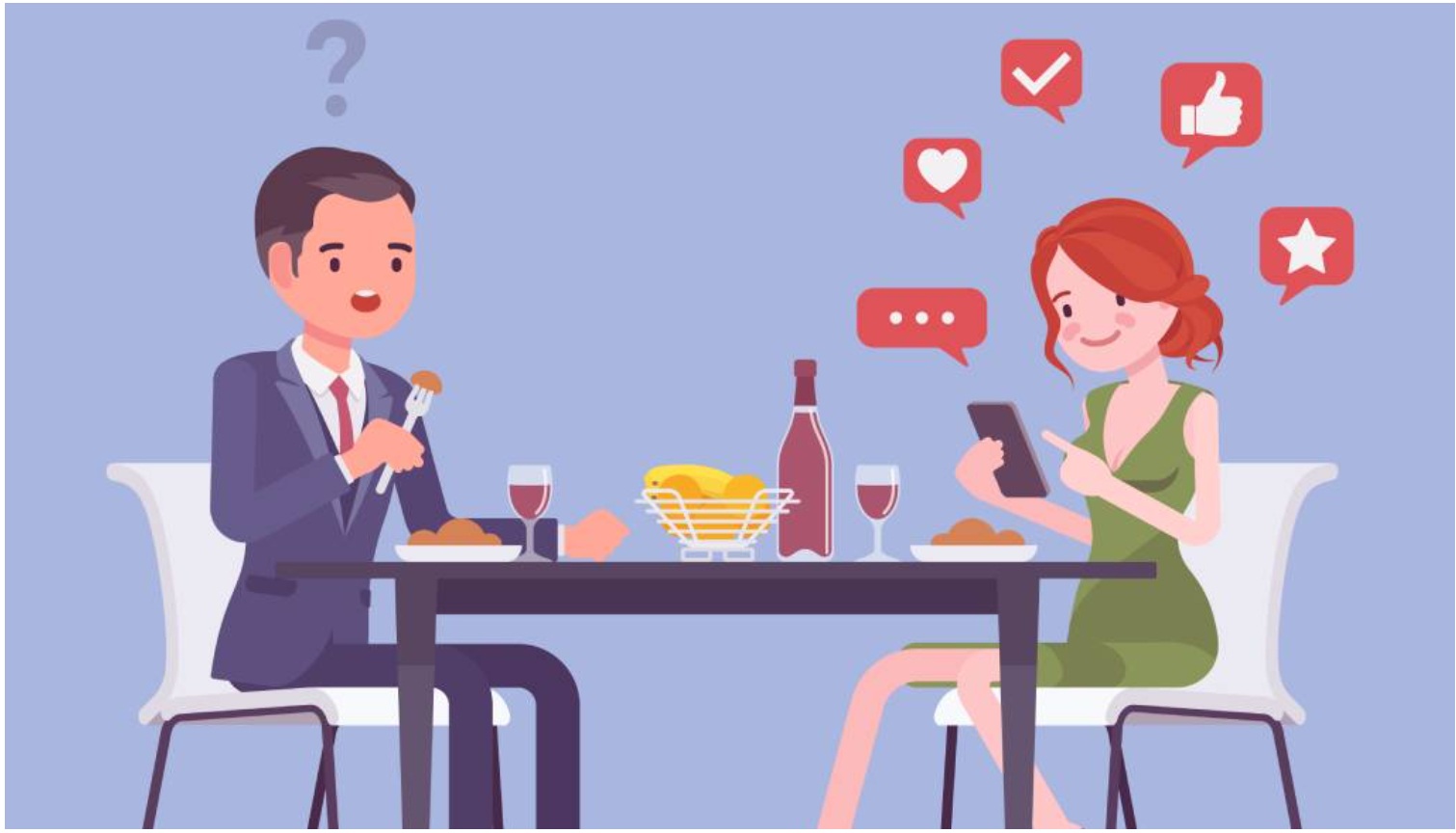
In today’s workplace, professional reputation no longer depends only on academic qualifications, work experience, or office performance. Social media has changed how employers, clients, and the public view individuals. As a result, many professionals now face a growing challenge called the “Digital Shadow,” where a partner’s online behavior can affect the other person’s career image.
Although couples may manage separate accounts, public opinion often connects them. Consequently, controversial posts, heated online debates, or inappropriate content shared by one partner can indirectly damage the professional reputation of the other.
How online behavior creates professional pressure
Many companies now monitor online activity more closely than before. In particular, businesses with public-facing employees often pay attention to how workers and their close circles behave online. Therefore, a partner’s digital presence can create unexpected tension in the workplace.
Etienne Malonga, a 38-year-old senior manager at an international company, experienced this situation after his spouse shared a viral opinion online.
“I wasn’t involved in the conversation, but by Monday morning, my director wanted to know if my ‘household values’ aligned with the company’s mission,” he recalls. “I spent years building my expertise, but in one viral moment, it felt like I was being interviewed for my job all over again.”
His experience reflects a growing concern among professionals. Even when employees avoid controversy themselves, employers may still associate them with their partner’s public image.
Employers increasingly focus on brand protection
Today, companies aim to protect their public image and avoid online scandals. Because of this, some employers pay closer attention to the digital environment surrounding leadership teams and high-profile employees.
Sarah Mouissou, an HR Director, explained that companies often worry about reputational risks connected to online activity.
“If a partner is constantly posting content that is viewed as volatile or unprofessional, it creates a question mark over the employee’s judgment,” she says. “We’ve seen instances where a promotion was stalled because the leadership felt the partner’s public persona was too high-risk for the company’s image.”
As a result, professionals working in law, politics, media, finance, and international business may face additional pressure to manage their digital associations carefully.
Social media tension can affect relationships
Beyond career concerns, the issue also creates emotional strain inside relationships. In some cases, one partner may feel forced to monitor or limit the other’s online activity to avoid professional consequences.
Joachim Nguema, a legal professional, described the uncomfortable conversations that sometimes happen at home.
“I have to ask my partner to archive certain photos or avoid commenting on specific news stories because I know my senior partners are watching. It makes me feel like a censor rather than a husband. It creates a weird friction where my career becomes a ghost in our relationship, dictating what he can and cannot share with his own friends.”
Consequently, social media can transform personal relationships into spaces of negotiation and caution. Over time, this pressure may create frustration, misunderstanding, and emotional distance between couples.
How couples are protecting their digital reputation
To reduce these risks, many couples now create digital boundaries and communication rules. These strategies help balance personal freedom with professional protection.
Limiting professional identification
Some people remove company names or professional titles from social media profiles. This approach reduces direct links between personal online activity and workplace identity.
Discussing sensitive content before posting
In addition, couples increasingly talk before sharing political opinions, controversial jokes, or emotionally charged content online. This “heads-up rule” helps avoid misunderstandings and public backlash.
Using private accounts
Many users now move family photos and personal discussions to private accounts or closed groups. As a result, they gain more control over who can access personal content.
A growing reality in the digital era
Experts believe this issue will continue growing as workplaces become more connected to digital culture. Artificial intelligence, online searches, and social media monitoring already influence hiring decisions in many industries. Therefore, personal relationships may increasingly affect professional opportunities.
At the same time, this trend raises concerns about privacy and fairness. Some critics argue that employees should not face professional consequences because of another person’s opinions or online behavior.
Still, the reality remains complex. Public image now extends beyond the office and into personal digital networks.
Professional reputation is becoming a shared responsibility
The modern relationship now involves more than emotional support and shared goals. In many cases, couples also share public visibility and digital consequences.
Although social media allows people to express themselves freely, it also creates lasting online records that may affect careers, relationships, and public trust. Therefore, many couples are learning that protecting professional reputation requires communication, mutual understanding, and responsible digital behavior.
Ultimately, strong relationships in the digital age may depend not only on trust and love, but also on how partners represent themselves and each other online.
ALSO READ: Falling out of Love without a reason, the quiet pain of emotional distance


