


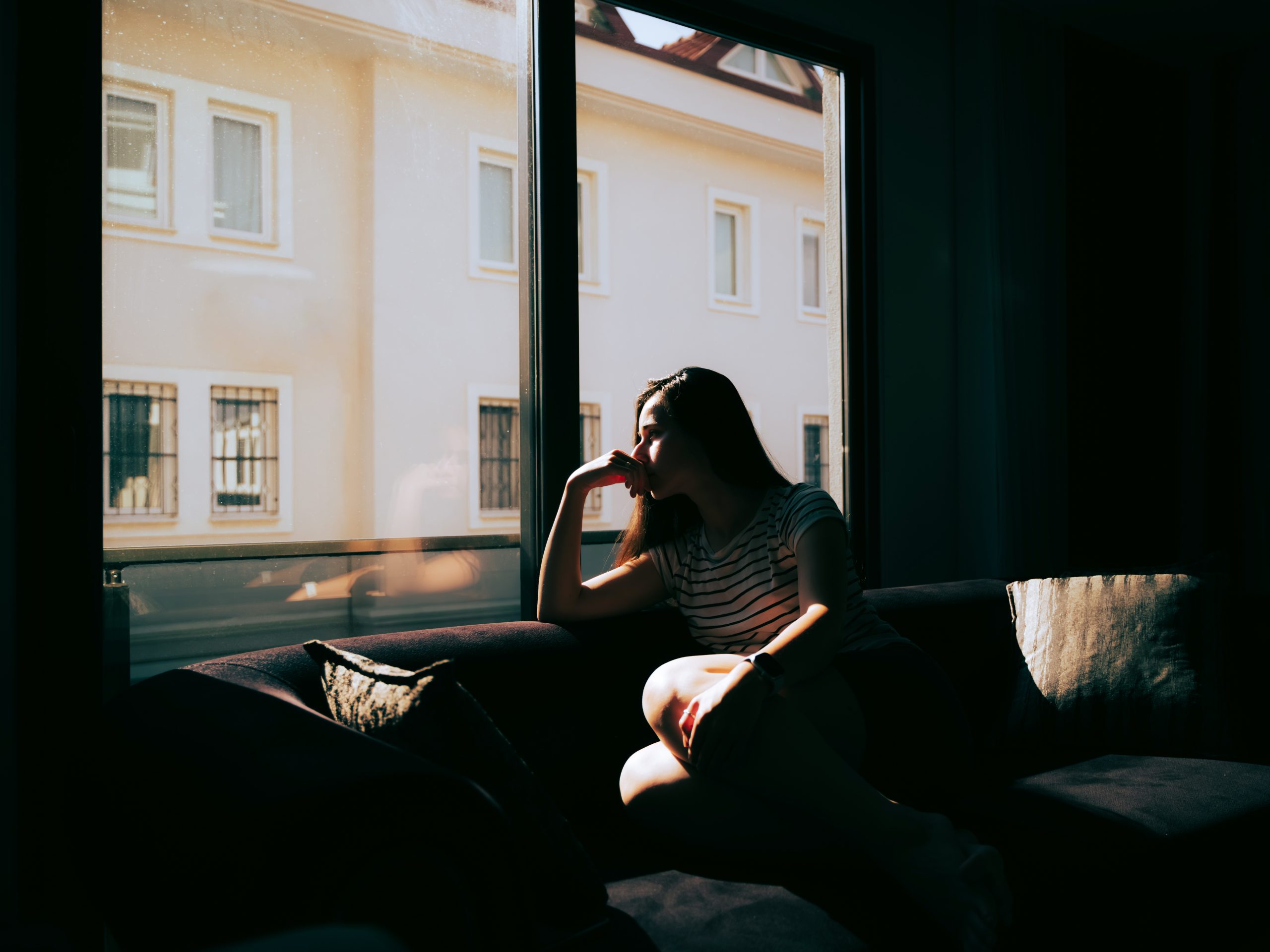
New research suggests that the single and living alone depression risk is higher than many people realize. Studies show that adults who live alone face increased vulnerability to depression. Yet, interviews with singles and married individuals reveal a more complex reality, where peace, companionship, and emotional support shape mental well-being in different ways.
Research links living alone to higher depression risk
Several studies connect living alone with mental health challenges. According to data from the 2021 U.S. National Health Interview Survey, published in February 2024 by the U.S. Centers for Disease Control and Prevention (CDC), adults who live alone report depression more often than those who live with others.
In 2021, 6.4% of adults living alone reported depression, compared to 4.1% of those living with others. A separate systematic review and meta-analysis published in Frontiers in Psychiatry found that people living alone face a 42% higher risk of depressive symptoms than those who live with others.
Why some singles still choose to live alone
Despite the data, some single adults say living alone brings peace rather than distress.
Alliance Uwineza, a 23-year-old woman from Muhanga District, says independence helps her focus on personal growth.
“I do not want a husband for now. Living alone gives me peace, even though I sometimes feel lonely,” she says.
Theoneste Habumugisha, 27, from Rutsiro District, agrees. “When I am on my own, I feel calm. I think marriage would stress me,” he explains.
Their views suggest that emotional well-being depends not only on relationship status, but also on personal expectations and coping skills.
Married couples highlight emotional support
Married individuals often describe companionship as a strong emotional buffer.
Japhet Hagenimanana, a father of three from Musanze District, says partnership helps him handle daily stress.
“When work becomes difficult, I return home to someone who comforts me and gives me hope,” he says.
Similarly, Jane Uwamwiza, a mother of two from Nyarugenge District, believes shared life reduces emotional strain. “Living together has challenges, but it is better than living alone. We consult each other and make better decisions,” she explains.
Experts warn: The wrong partner can worsen mental health
Mental health specialists caution that marriage itself does not guarantee happiness.
In an interview published by PUNCH Healthwise, Nigerian psychiatrist Dr. Sunday Amosu warned that choosing the wrong partner can increase emotional distress.
“Marrying an incompatible partner can lead to chronic stress, anxiety, and depression,” he said.
This expert view highlights that companionship protects mental health only when relationships remain supportive and healthy.
Research confirms that living alone can increase depression risk. However, real-life experiences show that quality relationships, not marital status alone, shape emotional well-being.
For some, solitude offers peace and control. For others, partnership provides comfort and resilience. Experts agree on one point: emotional support, communication, and mental health awareness matter more than whether someone is single or married.


