


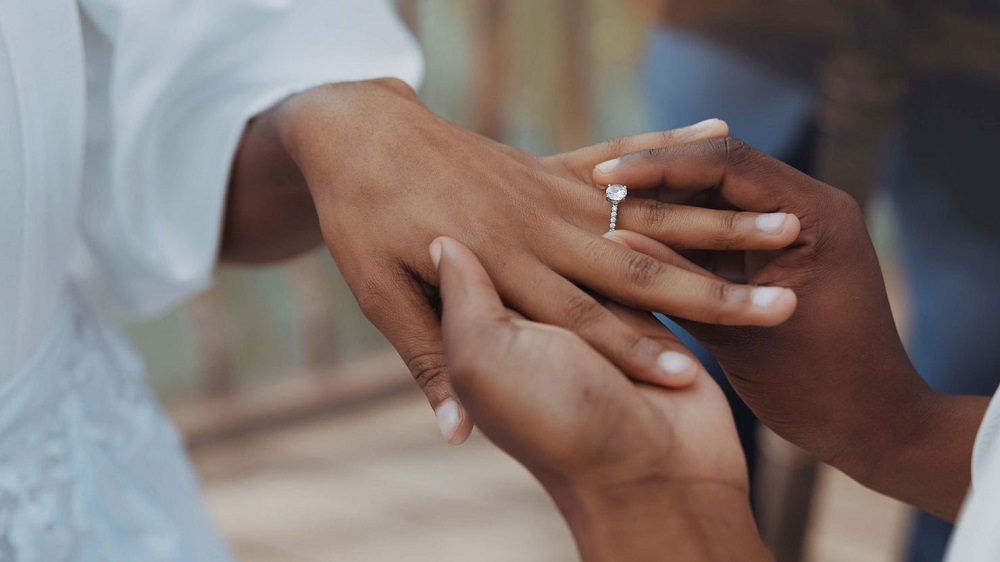
In Rwanda, family conflicts and divorce cases continue to raise concern among policymakers and communities. Data from the National Institute of Statistics of Rwanda and the judiciary show that divorce cases have fluctuated over recent years, reflecting ongoing instability in some households.
Records indicate that divorce cases increased sharply from 1,311 in 2018 to 8,941 in 2019. Although the numbers later declined, they remained significant, with 2,833 households filing for divorce between 2023 and 2024, and 2,674 between 2024 and 2025. These figures highlight a persistent challenge that continues to affect families across the country.
As a result, many young people grow up witnessing repeated conflicts, arguments, and separations between their parents. Over time, these experiences shape how they view relationships and marriage.
Youth remain hesitant about marriage
According to the 2022 General Population and Housing Census, most young people in Rwanda remain unmarried. Among those aged 16 to 30, about 69 percent are single, while only 30 percent are married.
This trend suggests a growing hesitation toward marriage. While economic and social factors contribute to this pattern, emotional experiences within families also play a major role.
Personal experiences shaping perceptions
Several young people shared how family conflicts influenced their views on marriage. Their testimonies reveal a common pattern of fear, doubt, and emotional uncertainty.
Cyuzuzo Cefa, a 23 year old from Bugesera District, explained how her parents’ constant arguments affected her outlook.
“Before separating, my parents did not live well together. They constantly fought one would say ‘you failed’ to the other. There were times I would sit and ask myself, if my parents couldn’t make it, how will I manage? Honestly, I find the idea of marriage difficult because of how my parents failed, and I worry that my own marriage might also fail.”
Similarly, Consolatrice, 25, from Karongi District, said her childhood experiences reduced her trust in marriage.
“Right now, it’s hard for me to trust that I will find a husband I will live well with. Marriage can be difficult. If I grew up seeing my grandparents’ house and my parents separated, how could I want to get married? My trust in marriage is very low; marriage feels like a burden.”
Hakizimana Alpha, a 23 year old from Rwamagana District, also expressed fear linked to his parents’ separation.
“I struggle when I think about my parents’ disagreements and eventual separation. It makes me afraid of marriage because growing up, I saw my parents constantly fighting. How can I expect my own marriage to succeed?”
These accounts show how deeply family environments influence young people’s emotional readiness for long term commitment.
Expert perspective on long term impact
Dr. Rosette Nkundimfura is the founder and representative of Girls’ Leaders Forum (GLF), and she is also a family and marriage counselor, explains that the effects of family conflict extend far beyond the immediate household.
“Family conflicts have consequences because the first affected are the parents, the second are the children, the third are siblings, and even neighbors in the community are affected.”
She adds that children who grow up in unstable families may develop negative attitudes toward marriage. However, she emphasizes that young people still have the power to choose a different path.
“We cannot ignore the effects of family conflicts, but deciding that just because your parents fought you will never marry is not the solution. If your parents did not live well together, it does not mean you will build a bad home. The choice is in your hands.”
Her perspective highlights the importance of personal responsibility and emotional growth.
National leadership highlights broader risks
At the national level, leaders have also raised concerns about the impact of family instability. Paul Kagame stressed the broader consequences during the National Prayer Breakfast organized by the Rwanda Leaders Fellowship on February 1, 2026.
“Think about the impact on two, three, four, five, or ten couples at once. The country suffers, it collapses. The country is affected.”
He encouraged families to resolve conflicts through dialogue instead of separation, emphasizing the importance of stable homes for national development.
Implications for Rwanda’s future
The growing fear of marriage among young people carries significant implications. If many choose to delay or avoid marriage, it may affect family structures, population trends, and long term social stability.
At the same time, this trend presents an opportunity. Increased awareness about mental health, communication, and relationship skills can help young people build stronger and healthier families. Educational programs and counseling services could also play a key role in addressing emotional trauma.
Moreover, promoting positive relationship models may restore confidence in marriage and encourage informed decision making.
Family conflicts and rising divorce cases continue to shape how young people in Rwanda view marriage. While many develop fear and uncertainty, experts emphasize that these experiences do not determine the future.
With the right support, education, and mindset, young people can choose to build stable and healthy relationships. Strengthening families remains essential not only for individuals but also for the country’s long term development.


