


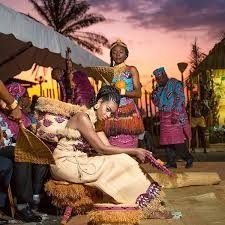
Widowhood in Gabon is often described as a natural stage of life. However, for many people, it remains a deeply complex and painful reality. Beyond personal grief, widows and widowers continue to feel bound to the deceased through traditions, rituals, and social expectations that make emotional separation difficult. As a result, widowhood in Gabon extends far beyond mourning, shaping daily life, personal freedom, and identity long after death has occurred.
Awareness and acceptance after loss in Gabon
The awareness of loss often arrives suddenly and with overwhelming force. When a spouse dies, the surviving partner must confront a new reality that permanently reshapes both emotional and social life. In the early stages, confusion, denial, and deep sadness dominate the experience of widowhood in Gabon. Acceptance rarely comes quickly. Instead, it depends heavily on family support, community attitudes, and traditional expectations.
In many situations, emotional acceptance never fully develops. The bond with the deceased continues to linger, strengthened by rituals and social norms that quietly discourage moving forward. Consequently, many widowed individuals remain emotionally tied to the past.
Widowhood rituals in Gabonese traditions
Widowhood rituals in Gabon remain deeply rooted in cultural practice and, in many communities, people treat them as non-negotiable. Although these rituals aim to honor the deceased, they often intensify grief and restrict personal freedom.
Key rituals across communities
Mvet among the Fang
Among the Fang community, widows undergo a strict period of isolation. They avoid public spaces and celebrations, undergo ritual purification using herbs, and wear dark clothing to symbolize mourning.
Mbog among the Punu
Within the Punu community, families require widows to make offerings to ancestors and the deceased’s relatives. Additionally, they must participate in specific clan ceremonies to demonstrate loyalty and respect.
Ovom among the Mitsogo and Other Groups
Among the Mitsogo and other groups, communities hold ceremonies to honor the deceased and offer spiritual guidance. However, these practices often prolong emotional dependence and delay healing.
Therefore, while these rituals carry cultural importance, they can also place heavy pressure on widows and widowers, complicating personal recovery.
The social and emotional consequences of widowhood in Gabon
Widowhood in Gabon affects nearly every aspect of life. Emotional pain frequently combines with loneliness, social isolation, and a reduced sense of autonomy. Moreover, strict traditions often slow emotional recovery and limit independent decision-making.
Over time, relationships with family and community members change. As a result, many widowed individuals feel increasingly fragile and dependent. The experience reshapes personal identity, turning widowhood into a long-term social role rather than a temporary phase.
Can true separation ever happen?
Widowhood in Gabon represents more than the loss of a spouse. Instead, it exists within a powerful cultural framework that preserves social bonds even after death. While physical separation remains final, emotional and spiritual separation often does not fully occur.
Many widows and widowers explain that they feel trapped between honoring tradition and reclaiming personal well-being. Ultimately, experts argue that true separation only happens when the surviving partner consciously chooses to rebuild life and redefine identity beyond loss.


