


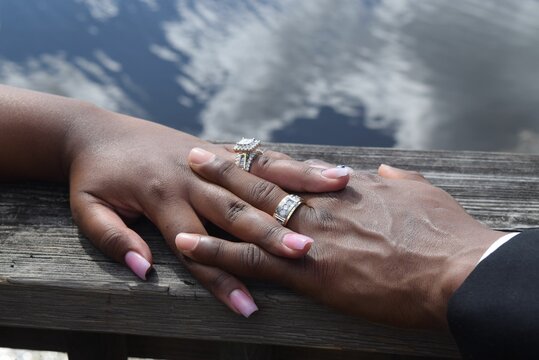
The tradition of wearing a wedding ring on the fourth finger, often called the ring finger, continues to hold strong cultural and symbolic meaning across the world. For many married couples, this practice represents love, commitment, and a lifelong partnership built on shared values.
A wedding ring stands as one of the most visible symbols of marriage. It reflects trust, loyalty, and the promise two individuals make to support each other through both joyful and challenging moments. During wedding ceremonies, couples exchange rings as a public declaration of their union, reinforcing their commitment in front of family and community.
Historical evidence traces the use of wedding rings back more than 3,000 years to ancient Egypt. Early rings were crafted from simple materials such as braided plants or ivory. These rings symbolized eternity and unity, ideas that remain central to marriage traditions today. Over time, the practice spread to other civilizations, including ancient Rome, where it gained additional meaning.
The Romans introduced the belief that the fourth finger of the left hand contained a special vein known as the “vena amoris,” or “vein of love.” They believed this vein connected directly to the heart, which made the ring finger the ideal place to wear a symbol of love. Although modern science has shown that this anatomical belief is not accurate, the symbolism has endured for centuries and continues to influence modern customs.
The circular shape of a wedding ring also plays a key role in its meaning. A circle has no beginning or end, which makes it a powerful representation of eternity. For married couples, this shape reflects an unbroken bond and a commitment that continues throughout life.
Despite its global recognition, the tradition does not follow a single universal standard. In many Western countries, couples wear wedding rings on the fourth finger of the left hand. However, in countries such as Russia, Greece, and Germany, the right hand is more commonly used. These differences reflect the influence of cultural norms, religious beliefs, and historical developments within each society.
Beyond the ring finger, different fingers can carry different symbolic meanings. The thumb often represents independence and self-confidence. The index finger can signal leadership or ambition, while the middle finger may relate to balance and responsibility. The little finger, on the other hand, can represent social connections or personal expression. However, the fourth finger remains the most widely associated with romantic commitment and marriage.
For married couples, a wedding ring holds both emotional and social significance. It serves as a constant reminder of the vows exchanged during the wedding ceremony. Each glance at the ring can reinforce the promises of love, support, and unity. In addition, wearing a wedding ring communicates commitment to others, strengthening trust within relationships and communities.
This long-standing tradition also presents opportunities in modern society. Jewelry designers continue to innovate, offering couples personalized options that reflect their identity and values. At the same time, the symbolic importance of the ring remains unchanged, even as styles and materials evolve.
However, there are also considerations to note. In some cases, the growing commercialization of wedding rings may shift focus away from their deeper meaning. Couples may face social pressure to purchase expensive rings, which can create financial strain. As a result, many people now prioritize the symbolic value of the ring over its material cost.
Looking ahead, the tradition of wearing wedding rings is likely to remain relevant, though it may continue to adapt to changing cultural and social trends. Whether worn on the left or right hand, the ring will continue to symbolize love, unity, and lifelong partnership.


