


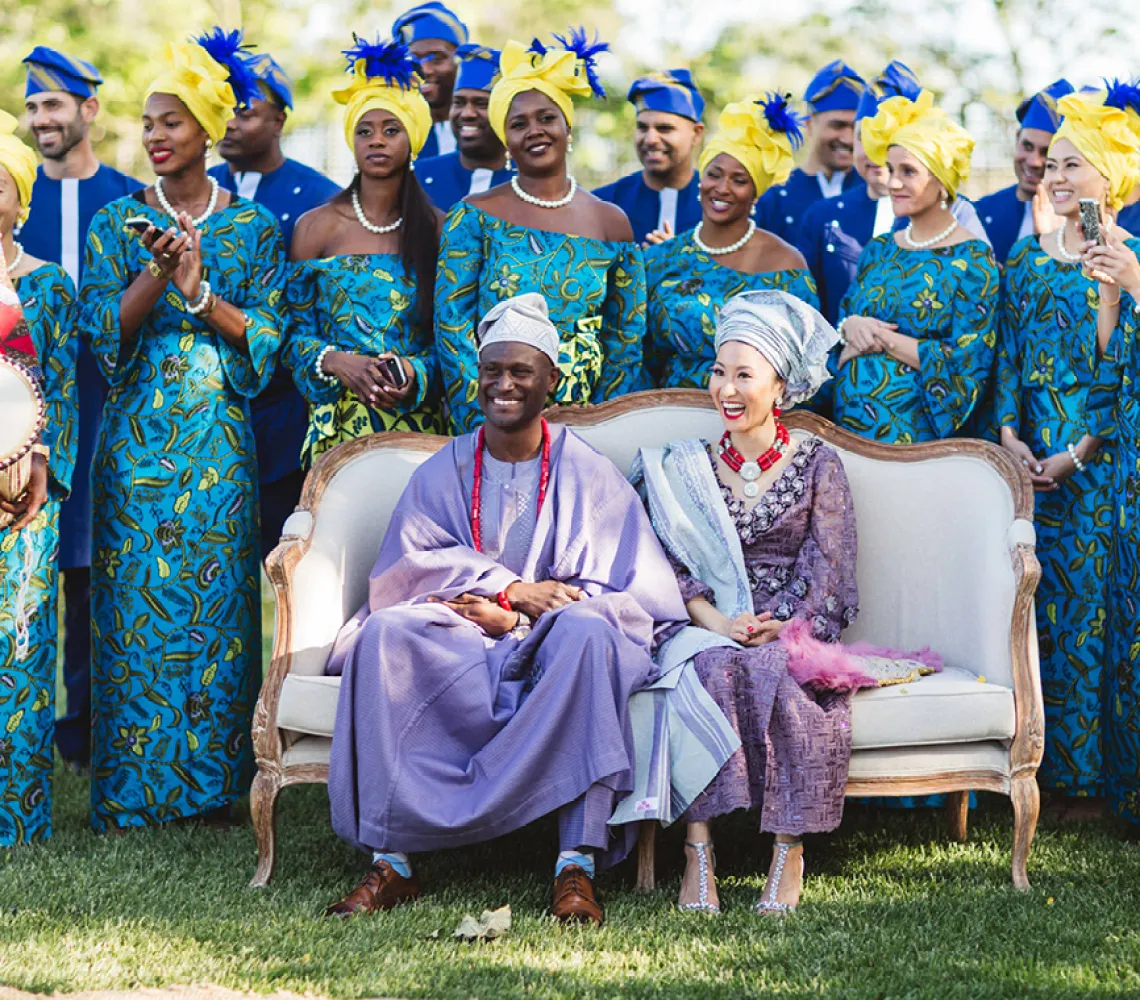
Wedding attire evolution reflects more than changing fashion tastes. For generations, what brides and grooms wore symbolized family pride, cultural identity, and social status. Today, couples still honor tradition, but they also use wedding attire to express individuality, creativity, and modern style. From Rwanda to the global stage, wedding clothing now tells a story that blends heritage with trend.
Traditionally, wedding attire carried deep meaning beyond appearance. Families selected colors, fabrics, and patterns carefully to represent identity, values, and social standing. In many cultures, including Rwanda, bright colors symbolized joy and prosperity, while specific fabrics and decorations reflected lineage and respect for ancestors.
Brides and grooms wore outfits that honored family history and community expectations. Beads, embroidery, and accessories often carried symbolic messages about maturity, unity, and family achievements. Wearing such attire showed pride, dignity, and respect for cultural heritage.
From status symbol to personal expression
In the past, wedding clothing also signaled wealth and influence. Luxurious fabrics and detailed craftsmanship often reflected a family’s economic strength. Over time, however, the meaning of wedding attire shifted.
Today, couples prioritize self-expression alongside tradition. They choose outfits that reflect personality, creativity, and comfort while still acknowledging cultural roots. This shift marks a key moment in the wedding attire evolution, where pride and personal style coexist.
Blending tradition with modern wedding fashion
Modern weddings increasingly combine traditional elements with contemporary design. Brides may pair classic cultural fabrics with white gowns, while grooms incorporate traditional patterns into tailored suits.
Wedding planner Clarisse Mukakarake, from Muhanga, explains:
“Couples today care about style as much as tradition. They want their outfits to reflect who they are and where they come from.”
This balance allows couples to celebrate identity while embracing global fashion trends.
How social media shapes wedding attire trends
Social media platforms such as Instagram and TikTok play a major role in shaping modern wedding fashion. Couples now explore styles from different cultures and regions with a single scroll.
Uwineza Aline, from Muhanga District, shared her experience with AfriWed:
“I wanted our outfits to look modern but still reflect our culture. Social media helped me find that balance.”
Couples increasingly design outfits with photography and online sharing in mind. Coordinated colors, matching accessories, and unique designs now define many modern weddings.
Style meets identity: What wedding clothes say today
Even with changing trends, wedding attire still carries meaning. Couples now use clothing to express love, individuality, and cultural pride at once.
Lambert Habimana, from Kamonyi District, told Afriwed:
“My suit used traditional fabric details. It showed my personality and honored my family.”
Similarly, Epiphanie Uwase, from Kimisagara, shared:
“My dress mixed modern style with traditional patterns. I felt proud wearing it.”
These choices show how wedding attire has become a visual story of identity.
Expert insight: Tradition inspiring modern wedding fashion
Mexican designer Nadia Manjarrez, founder of Nadia Manjarrez Bridal, explains that designers increasingly reinterpret traditional garments in modern ways.
“Designers honor heritage while creating outfits that feel personal and relevant today.”
Fashion scholars Angela Uriyo and Katie Jones from West Virginia University also note that couples blend old and new to assert belonging and cultural pride.
“Non-Western brides are curating identities by blending visual languages to express beauty and heritage.”
As weddings evolve, fashion continues to bridge generations. Couples no longer choose between tradition and trend; they merge both. Wedding attire now celebrates love, culture, and creativity, perfectly capturing the journey from pride to trend.


