


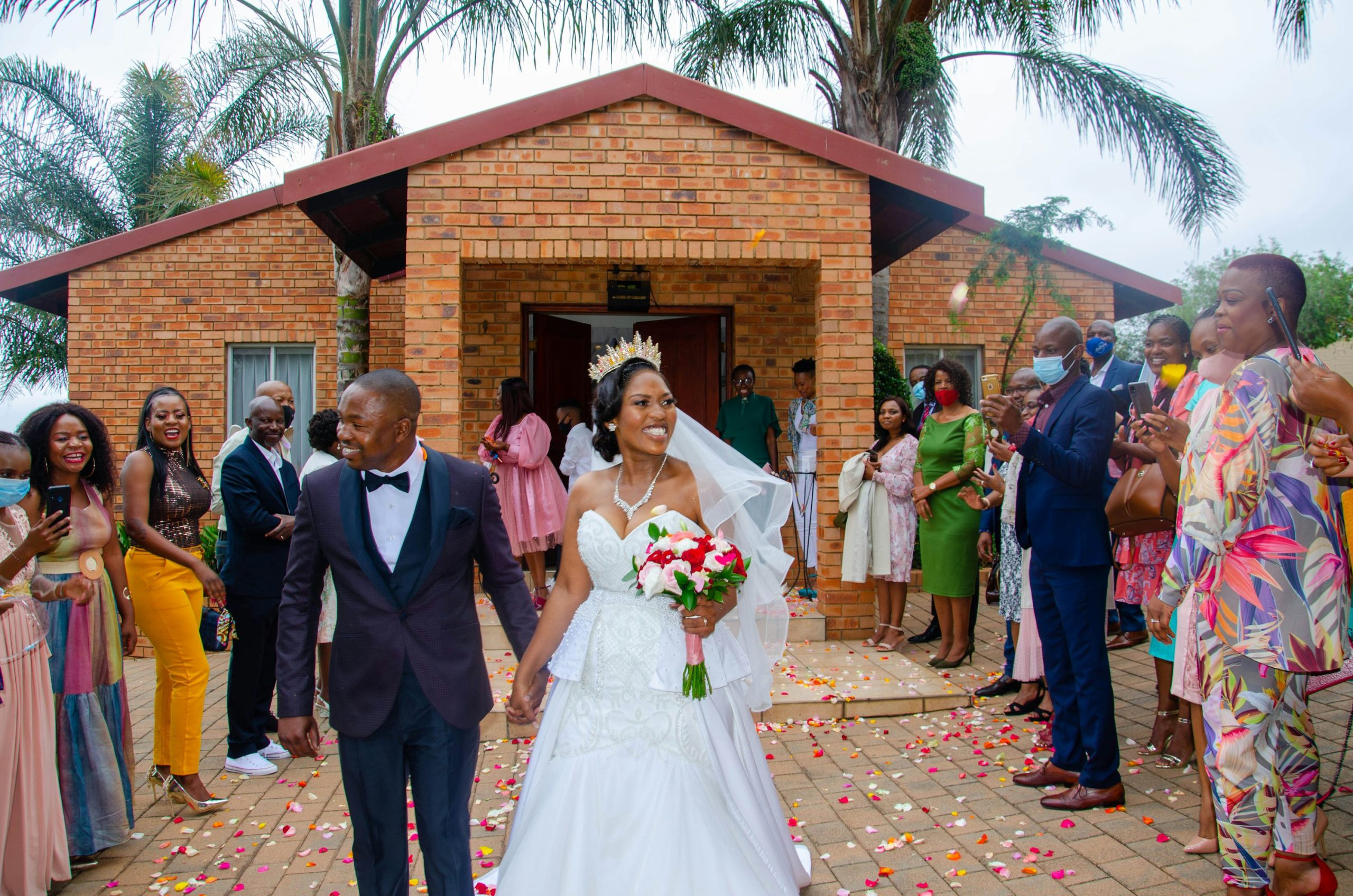
In Rwanda, a wedding is not just the union of two people, it is the joining of families, heritage, and community. Unlike in many cultures where weddings are mostly planned by the couple, Rwandan weddings is a collective effort where family members play a central and irreplaceable role. Their involvement shapes the event, strengthens cultural identity, and ensures a smooth journey for the bride and groom.
1. Family as key decision makers
From the moment a couple announces their intention to marry, families on both sides step in to guide the process. Elders play a vital role in: Choosing suitable dates for different ceremonies, leading and overseeing traditional negotiations, advising the couple culturally and morally, ensuring the marriage reflects family values and traditions. Their wisdom helps maintain cultural authenticity throughout the preparations.
2. Financial contributions and support
Rwandan wedding preparations can be financially demanding, and families often join forces to make the day successful. Parents usually contribute the largest share, while siblings, cousins, and extended family members support with: Money, household items, cows or beverages, event venues or transport. This communal effort reduces pressure on the couple and strengthens family unity.
3. Managing Traditional Ceremonies
Traditional Rwandan weddings are rich in culture and involve several ceremonies such as Gusaba and Gukwa. Families take the lead in organizing these events by: Preparing the home for guests, coordinating negotiations and the exchange of gifts, arranging cultural performances, handling guest lists and protocols. Their involvement ensures respect for tradition and smooth coordination between the two families.
4. Emotional and cultural guidance for the couple
Weddings are major life events, and families serve as sources of emotional support and cultural grounding. Aunts and uncles, provide mentorship on family values, marital responsibilities, and cultural expectations. Their counsel helps prepare the couple for their new life together.
5. Labor and practical assistance
Beyond finances, families contribute through hands-on support. During preparations, women help with cooking, décor, and organizing gifts, men assist with transport, logistics, and setting up tents, siblings and friends help coordinate programs and handle guests. This teamwork reflects Rwanda’s strong communal spirit and makes the event feel more intimate and meaningful.
6. Strengthening bonds between families
Wedding preparations offer a unique opportunity for families to connect. Through meetings, planning, and ceremonies, relationships are built, misunderstandings are resolved, and a bond is formed between the two families. The wedding becomes not just a celebration, but a symbol of unity, respect, and collaboration.
Newton Ndahimana, who is going to get married in December 2025, he said : “ Things has changed now people are no longer family, like my brothers used to get support in raising the dowry but look at me now, I am the only one raising the money booking the wedding hall and has to get some loan to be able to pay for wedding cake and soon”
Old man in age of 70 named Marcel Mutambarungu said that: “It’s not about wedding, it’s all about family joining hands to make a memorable events, whether is about money fundraising, venue choices, brides gowns and all related to wedding, family’s elders should be involved, this will make elders be proud of their kids.”
In Rwanda, families are the backbone of wedding preparations. Their involvement goes beyond tradition it ensures harmony, cultural continuity, and a strong support system for the couple. A Rwandan wedding is, therefore, not just a personal event, it is a communal celebration where family love, culture, and unity take center stage. Therefore, once you are planning to have a wedding always remember to involve your family members, your colleagues and friends.
ALSO READ: Life After the Wedding – Beyond the Big Day in Rwanda


