


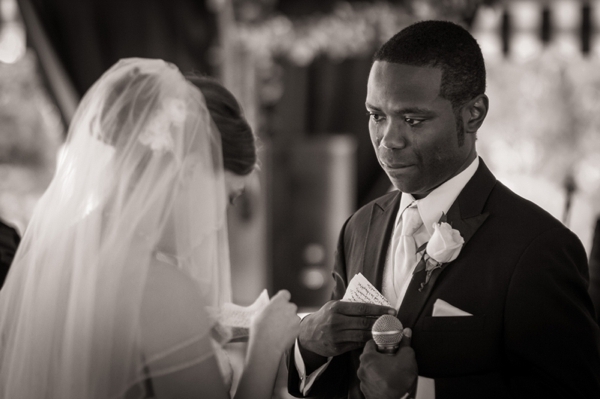
Wedding ceremonies are filled with beauty, symbolism, and emotion. Yet among all the traditions that shape the day, the exchange of vows remains the true heart of the wedding. When couples stand before each other, their families, and their community, the words spoken at the altar carry a meaning that continues long after the celebration ends. Experts in marriage counseling and relationship psychology agree that vows are not only poetic promises but powerful foundations for a lasting union. Marriage researcher Dr. John Gottman, in The Seven Principles for Making Marriage Work, highlights that shared expectations and clear commitments significantly strengthen long-term marital stability. Today, as modern weddings evolve, meaningful and personalized vows have become more important than ever.
Where forever begins: Vows as the blueprint of marriage
Wedding vows act as a guiding framework for the future. Dr. Scott Stanley, author of A Lasting Promise, emphasizes that spoken commitments help couples define and protect the values that shape their marriage. Vows serve a deeper purpose than expressing love; they communicate the principles the couple intends to build their life upon.
Through their vows, partners accept responsibilities of care, respect, support, and partnership. These promises reflect emotional and spiritual intentions. By speaking them aloud, couples create a shared vision of the kind of home and life they hope to build together.
Why spoken commitments matter in psychology
In psychology, verbal commitments strongly influence how people behave. This becomes especially meaningful in marriage. When partners publicly promise to love, honor, and support each other, their words act as a moral and emotional anchor. They help guide everyday actions, even during difficult seasons.
Public vows also create accountability. Words spoken with intention remain in memory and influence how couples treat each other. Dr. Gary Chapman, author of The Five Love Languages, explains that revisiting marital commitments can help partners reconnect with their original intentions. Returning to the meaning behind vows can restore emotional closeness and remind couples why they chose each other in the first place.
How vows create emotional safety and trust
Exchanging vows sends a clear message: “You can count on me.” This assurance builds emotional safety, trust, and stability. It gives couples confidence in their future and strengthens their sense of belonging. When partners know that their commitment is rooted in clearly spoken promises, communication improves, attachment deepens, and resilience grows.
Over time, these vows help create a secure and united relationship. They serve as reminders of each partner’s dedication, especially when life brings uncertainty or challenges.
The lasting power of wedding vows
Even as dating and marriage trends shift, wedding vows remain deeply meaningful. They remind couples that marriage is more than a celebration it is a covenant grounded in intention and values. Vows strengthen unity, guide decision-making, and offer stability when difficulties arise.
Many counselors encourage couples to revisit their vows on anniversaries, during major life changes, or in challenging moments. This practice helps partners reconnect with their purpose and renew their dedication. Some even choose to reaffirm or rewrite their vows years later as a celebration of growth and shared experience.
A promise that lives beyond the ceremony
The words spoken at the altar are far more than ceremonial expressions. They shape the emotional, spiritual, and relational foundation of a marriage. Whether traditional or personalized, simple or elaborate, vows carry the power to inspire trust, connection, and resilience throughout a couple’s life together.
Wedding vows remind couples that marriage is not only about celebrating love today, but about building a future anchored in devotion, intention, and shared purpose.


