


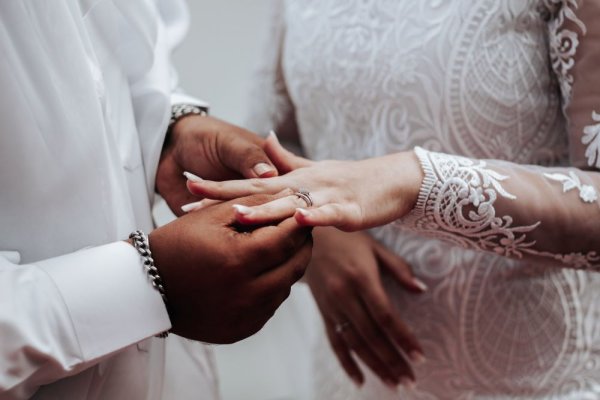
Monogamy vs polygamy in Rwanda remains a recurring social debate as changing values, gender equality, and economic realities reshape how families view marriage. While tradition once tolerated multiple spouses, many Rwandans today increasingly question whether marriage to one partner offers greater stability, fairness, and harmony in modern society.
Monogamy vs Polygamy in Rwanda: Voices From Society
Public opinion on marriage choices in Rwanda
Across Rwanda, opinions vary on whether marriage should involve one spouse or many. However, a growing number of citizens argue that monogamy promotes trust, emotional security, and family stability.
Ange Mukamana, a mother of two in Kigali, says monogamy strengthens unity:
“Being married to one person helps us trust each other and raise children without unnecessary conflict.”
Similarly, Jeanette Uwitonze from Musanze believes monogamy reduces rivalry:
“With one spouse, I can focus on my partner without competition or tension.”
Polygamy supporters cite practical reasons
Despite declining support, some Rwandans still defend polygamy, mainly in rural settings where labor and childcare demands remain high.
Christopher Nzayisenga, a farmer in Gicumbi, explains:
“Polygamy can help with farm work and children, but only if everyone is respected.”
Oreste Hatungimana from Burera adds that fairness is essential: “It only works when spouses understand each other and share responsibilities equally.”
Young Rwandans emphasize equality
Among young people, gender equality is central to the monogamy vs polygamy debate in Rwanda.
Betty Uwineza, a 22-year-old university student, says: “One partner makes equality easier. Sharing attention and resources equally becomes possible.”
Dominique Twahirwa, a student in Kigali, agrees: “Focusing on one partner prevents disputes and strengthens mutual respect.”
Economic realities shape modern marriage
Many Rwandans argue that polygamy is no longer practical in today’s economy.
Patrick Itangishatse, a business owner in Ruhango, notes: “Providing equally for multiple spouses is expensive. One partner is more realistic today.”
Jaqueline Musabyimana from Rwamagana echoes this view, pointing to rising living costs.
Elders advocate family harmony
Elders often warn that polygamy increases jealousy and conflict.
Jane Mukamutesi, a grandmother in Huye, observes: “One spouse brings peace. Multiple spouses often lead to rivalry.”
Jean Bosco Turahirwa, an elder in Gakenke, adds that unity thrives under monogamy.
Rwanda’s Legal and Leadership Position
Rwandan law recognizes monogamous marriage as the legal standard, aligning with national goals on gender equality.
Former Minister of Gender and Family Promotion, Dr. Valentine Uwamariya, emphasized: “Marriage should protect women’s rights and ensure equality between partners.”
Former minister Hon. Nyirasafari Espérance also stressed that legal monogamy protects children and prevents disputes.
Expert insight on monogamy vs polygamy in Rwanda
Gender expert Prof. Jeannette Bayisenge warns that polygamy fuels instability: “Family conflicts undermine national development. Safe families begin with equality.”
A 2021 global meta-analysis published in BMC Pregnancy and Childbirth found that women in polygamous marriages were 2.25 times more likely to experience depression than those in monogamous unions.
Another 2020 meta-analysis in Archives of Women’s Mental Health linked polygamy to higher anxiety, hostility, and poorer family functioning.
The debate over monogamy vs polygamy in Rwanda reflects deeper questions about equality, wellbeing, and social progress. While polygamy may offer limited practical benefits in certain contexts, evidence from society, leadership, and global research consistently shows that monogamy strengthens families, protects women and children, and promotes mental health.
As Rwanda continues its path toward inclusive development, marriage to one partner increasingly stands out as the model most aligned with harmony, dignity, and national growth.


