


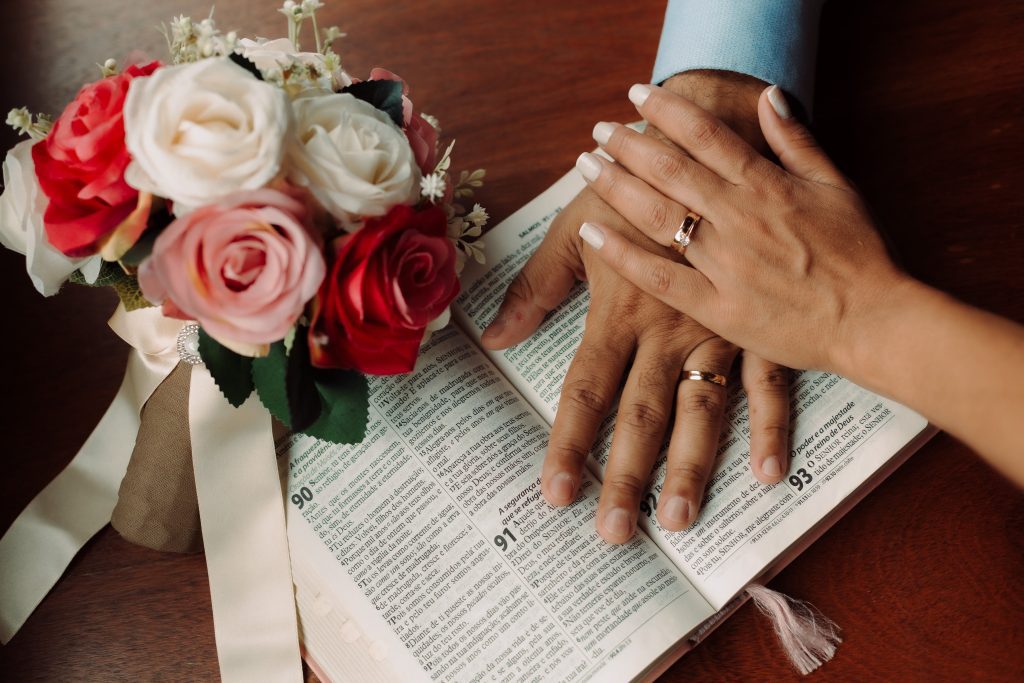
Before wedding dresses, rings, and celebrations, many engaged couples attend structured premarital programs. In Rwanda and across Africa, religious leaders, counselors, and elders often lead these sessions to help couples prepare for lifelong commitment. These programs aim to strengthen values, clarify responsibilities, and protect the sanctity of marriage.
While this foundation is important, no classroom can fully simulate daily married life.
How marriage preparation classes shape couples
Marriage preparation classes emphasize that marriage goes beyond attraction. Instructors teach that commitment requires sacrifice, responsibility, and accountability before God, family, and community.
Couples typically learn: The meaning of lifelong commitment, the importance of patience and maturity, respect and cooperation within partnership, basic communication and conflict resolution skills
Faith-based settings also address intimacy, fidelity, and trust. Facilitators often guide discussions about relationships with in-laws, cultural expectations, and raising children based on shared values.
Many participants report that premarital courses strengthen their understanding of partnership and help them discuss expectations before entering marriage.
The limits of premarital training
Despite their value, these sessions cannot prepare couples for every reality. Emotional wounds, personality differences, financial stress, and mental health challenges often emerge only after couples begin living together.
Forgiveness sounds simple in theory but becomes more complex in repeated disagreements. Emotional maturity develops gradually through shared experience.
Modern realities also create additional pressure. Many couples balance careers, education, and parenting without strong extended-family support. Traditional role discussions may not fully address these evolving dynamics.
Preparation provides tools, but practice builds endurance.
Classical and religious perspectives on marriage
Augustine of Hippo
Augustine described marriage as a sacred covenant grounded in fidelity, permanence, and openness to children. He believed strong families strengthen moral order within society.
Pope John Paul II
Pope John Paul II taught that marriage represents a total gift of self. In his Theology of the Body, he emphasized responsibility, sacrifice, and lifelong fidelity as essential to authentic love.
These perspectives reinforce that marriage requires more than emotion; it demands sustained commitment.
From preparation to practice
Premarital instruction establishes a framework. It introduces communication skills, shared values, and moral guidance. However, lived experience ultimately refines those lessons.
Marriage becomes the ongoing classroom where couples confront: Financial pressures, parenting challenges, emotional growth, personal transformation, the need for continual compromise
The transition from preparation to practice marks the true beginning of marital growth.
Structured premarital education offers couples clarity and direction. It lays a moral and relational foundation.
Yet marriage itself provides the deeper lessons. Daily choices, shared responsibility, and intentional love transform theory into lasting partnership.


