


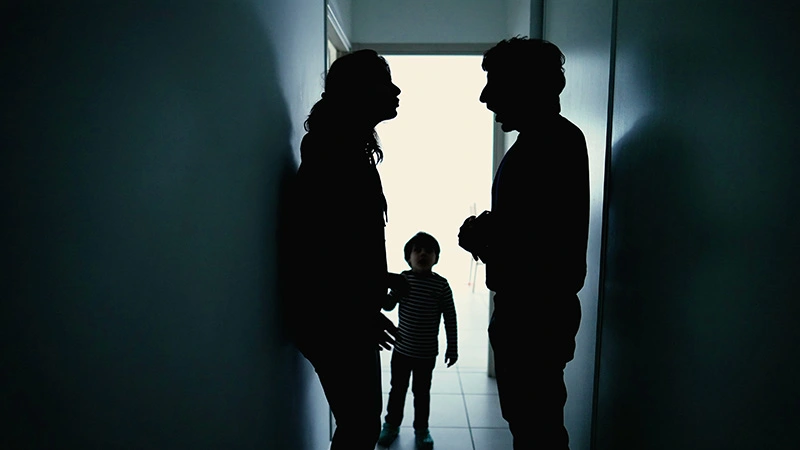
Domestic violence in marriage is one of the most painful realities hidden behind closed doors, often masked by social expectations and silence. While marriage is commonly seen as a space of love, safety, and partnership, many spouses live in fear, humiliation, and emotional or physical pain caused by the very person meant to protect them.
This report examines how love can turn into control, how silence sustains abuse, and why speaking out can save lives.
When a partner becomes a tormentor
Abusive marriages rarely become violent overnight. In many cases, the shift is gradual. Love fades on one side while the other partner continues to hope, endure, and believe. Communication disappears, affection turns cold, and power imbalances emerge.
One partner may begin to impose control through insults, emotional manipulation, or physical violence. In extreme cases, abuse includes beatings, constant humiliation, or openly bringing another partner into the home to inflict emotional pain. Fear, trauma, and social pressure often force victims to remain silent, especially when previous attempts to resist were met with punishment.
The psychological cost of domestic violence in marriage
Living with abuse leaves deep psychological wounds. Victims often lose confidence, begin to doubt their worth, and withdraw from social life. Pain becomes constant, even when invisible.
Many victims pretend everything is fine to protect family reputation or avoid judgment. Over time, this silent suffering destroys self-esteem and can lead to depression or suicidal thoughts. What should be a safe home becomes a place of fear and survival.
Children: The silent victims of marital abuse
Domestic violence in marriage does not only affect spouses. Children who witness abuse grow up carrying trauma that can shape their future relationships.
Seeing one parent abused normalizes violence and distorts the meaning of love. Many children from abusive homes struggle with trust, avoid relationships, or repeat harmful patterns later in life. The damage often lasts far beyond childhood.
A Testimony from inside the home
Speaking anonymously, a survivor shared the story of growing up in a violent household involving Mr. Raïvo Bénis and Florence Koundi, a Gabonese couple.
“Every disagreement ended in violence. My father beat my mother, forced us out of the house, and made us live in fear. She stayed, silent, saying these were ‘marital issues.’ Over time, the suffering destroyed her health. She died neglected.”
After their mother’s death, the children distanced themselves from their father. Years later, consumed by guilt and isolation, he also passed away. Today, the children still struggle some no longer believe in marriage, others avoid relationships entirely.
“There were not two victims, but many,” the survivor said. “Children, relatives, and a woman who died too young.”
Why silence sustains abuse
Many victims remain in abusive marriages because of fear, financial dependence, cultural pressure, or the belief that marriage must be endured at all costs. But abuse whether verbal, psychological, or physical is not part of married life.
Accepting violence in silence allows it to continue. Speaking out, seeking help, and leaving when necessary are acts of courage, not failure.
Choosing safety over suffering
There is no universal solution to abusive relationships. In some cases, dialogue and counseling may help. But when violence persists, personal safety and dignity must come first. Leaving an abusive marriage can save lives both the victim’s and the children’s. Love should never be associated with fear, humiliation, or pain.
Domestic violence in marriage must never be normalized. A healthy home is built on respect, security, and mutual care not endurance of suffering. Speaking out, seeking support, and taking action are essential steps toward healing. Silence protects abuse; action ends it.


