


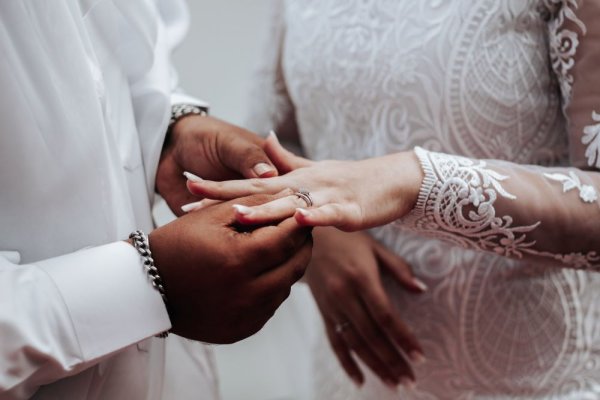
Declining legal marriages in Rwanda highlight a major shift in how couples approach commitment, family formation, and financial responsibility. While marriage remains central to Rwandan culture, fewer couples are formalizing unions through legal registration, reflecting changing economic realities and social expectations.
According to the Rwanda Vital Statistics Report 2024, Rwanda recorded 52,878 legal marriages in 2024, a 9.5 percent decline from 57,880 marriages in 2023. This drop has reignited national conversations about love, readiness, and economic survival in modern Rwanda.
Regional Patterns Reflect Social Realities
Marriage registration varies widely across Rwanda’s districts. Gasabo District recorded the highest number of marriages at 5,543, followed by Gicumbi with 2,550. In contrast, Rutsiro (1,394) and Burera (1,360) recorded the lowest figures.
These differences reflect population density, access to civil services, and cultural norms surrounding marriage registration.
“Here, being legally married still matters a lot. People see marriage as the foundation of dignity and family order,” says Beatrice Mukamana, a senior teacher from Burera.
Urban centers tell a different story. Kigali City, despite easy access to registration services, continues to record lower marriage rates.
“In the city, people want stability first a job, rent, and savings before signing legal papers,” explains Aline Uwase, originally from Rusizi and now living in Kigali.
Delaying Marriage: Choosing Readiness Over Tradition
Official data shows that women most often marry between ages 21 and 29, while men typically marry between 25 and 34. This gap reflects economic expectations placed on men as providers, prompting many to delay marriage until they feel financially secure.
“Marriage comes with responsibility. Without work, you hesitate even when love is there,” says Jean Claude Habimana, a 29-year-old resident of Gasabo.
Rising living costs, unstable employment, and housing challenges push many couples to postpone legal unions while maintaining long-term relationships.
Shared Property Signals Practical Partnerships
Despite delays, couples who marry show strong commitment to shared responsibility. About 96.2 percent of registered marriages adopt the community of property regime, signaling a preference for partnership over individual ownership.
“Life is expensive. Joint property helps couples survive together,” says Alice Nishimwe from Muhanga. “Marriage today is about teamwork.”
This shift highlights how economic realities shape modern marital decisions.
Marriage Is Changing Not Disappearing
The decline in legal marriages does not signal the collapse of marriage in Rwanda. Instead, it reflects a transition. Many young people still value marriage but choose to formalize it later, once they achieve economic stability and emotional readiness.
Supporting youth employment, expanding marriage preparation programs, and promoting accessible civil registration services will help strengthen families in this new era.
Expert Perspective on Changing Marriage Patterns
Sociologists describe this trend as a shift from traditional timing to intentional readiness, where couples prioritize stability before legal commitment.
Declining legal marriages in Rwanda reflect evolving family choices shaped by economic pressure, delayed readiness, and changing social values. Marriage remains meaningful, but couples increasingly define commitment on their own terms choosing preparation over pressure and partnership over tradition.


