


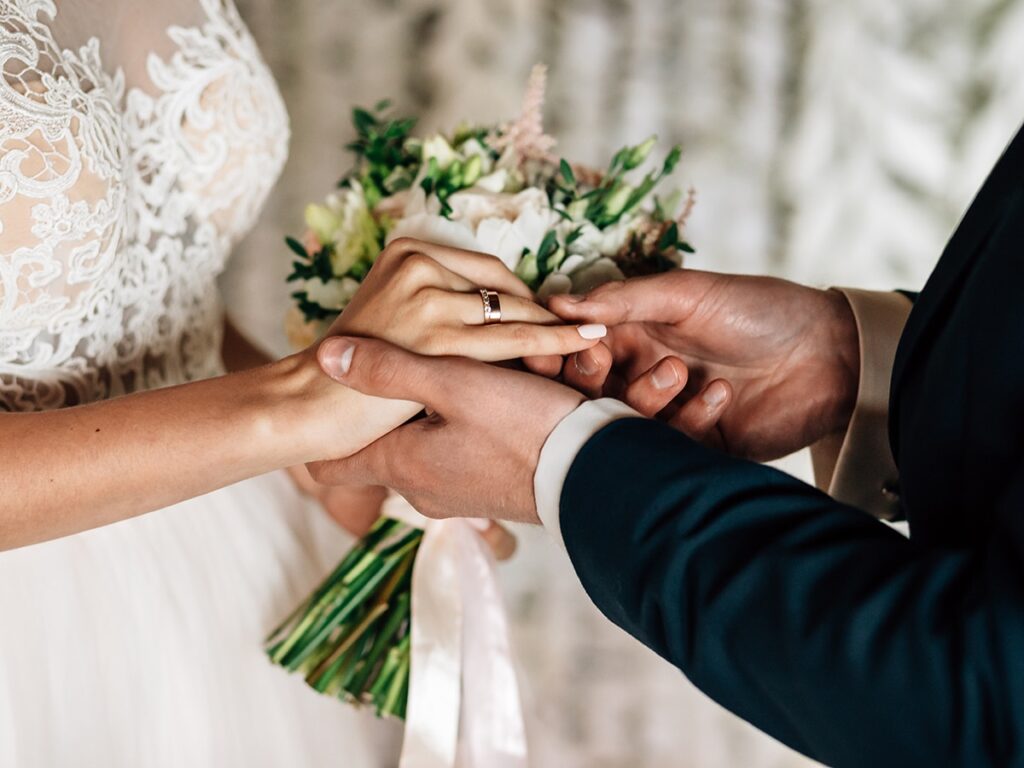
Civil marriage in Rwanda is more than a celebration of love, it is also a legal contract recognized by the State. According to the National Institute of Statistics of Rwanda (NISR), 57,880 civil marriages were registered in 2023, but the number declined to 52,878 in 2024, marking a 9.5 percent decrease. This shows that while marriage remains deeply valued, fewer couples are formalizing their unions through civil registration.
A civil marriage, performed before an officer of civil status, defines the legal rights and duties between two partners. Understanding these terms before saying “I do” helps couples avoid last-minute delays or cancellations during registration.
The law behind civil marriage in Rwanda
Civil marriages in Rwanda are governed by Law No. 32/2016 of 28/08/2016 governing persons and family. This law clearly states that civil marriage is the only form of marriage recognized by the State. Traditional or religious ceremonies, though culturally significant, have no legal effect unless the couple has first completed civil marriage registration.
ALSO READ: Civil vs Religious Marriage in Rwanda – What Couples Need to Know
What to prepare before a civil marriage ceremony in Rwanda
Before a civil marriage takes place, couples must meet a few legal requirements:
- Both partners must be at least 21 years old.
- Consent must be free and mutual.
- Neither partner should already be married.
- The marriage must be publicly announced at the sector office at least 15 days before the ceremony.
- The ceremony must take place before the civil registrar and two adult witnesses.
Couples who arrive unprepared may face delays or even postponement until missing documents or conditions are resolved.
Choosing the property regime
One of the most important steps during civil marriage registration is selecting the matrimonial property regime, which determines how assets are owned and managed.
Rwandan law provides three options:
- Community of property: All assets acquired before and after marriage are jointly owned and managed by both spouses.
- Limited community of property: Only property acquired during marriage is shared, while property owned before remains personal.
- Separation of property: Each spouse maintains full ownership and control of their own property.
This choice becomes part of the marriage contract and can only be changed later with court approval. Many couples seek legal advice at the sector level before making their decision.
Rights and obligations in marriage
Marriage under Rwandan law establishes equal rights and responsibilities for both spouses. They are expected to:
- Support and respect one another.
- Contribute to household needs and child upbringing.
- Manage family expenses together.
- Cooperate in maintaining family wellbeing.
These principles ensure that marriage functions as a partnership of equals under the law.
When the marriage ends
A civil marriage may end through death, divorce, or annulment. In the case of divorce, the division of property depends on the chosen matrimonial regime. The courts play a key role in ensuring fairness and protecting the rights of both spouses.
Why legal awareness matters
For many Rwandans, marriage is viewed mainly as a cultural or religious celebration, yet it is equally a legal commitment that influences financial security, property ownership, and family rights.
The Government of Rwanda, through local sector offices, offers guidance and community awareness sessions to help couples understand the available property regimes. This awareness empowers couples to make informed choices and avoid future disputes.
What this means for you
Civil marriage in Rwanda is more than a romantic union; it is a binding contract that defines the legal foundation of a couple’s life together. Understanding its terms helps couples build stable, respectful partnerships grounded in both love and law.


