


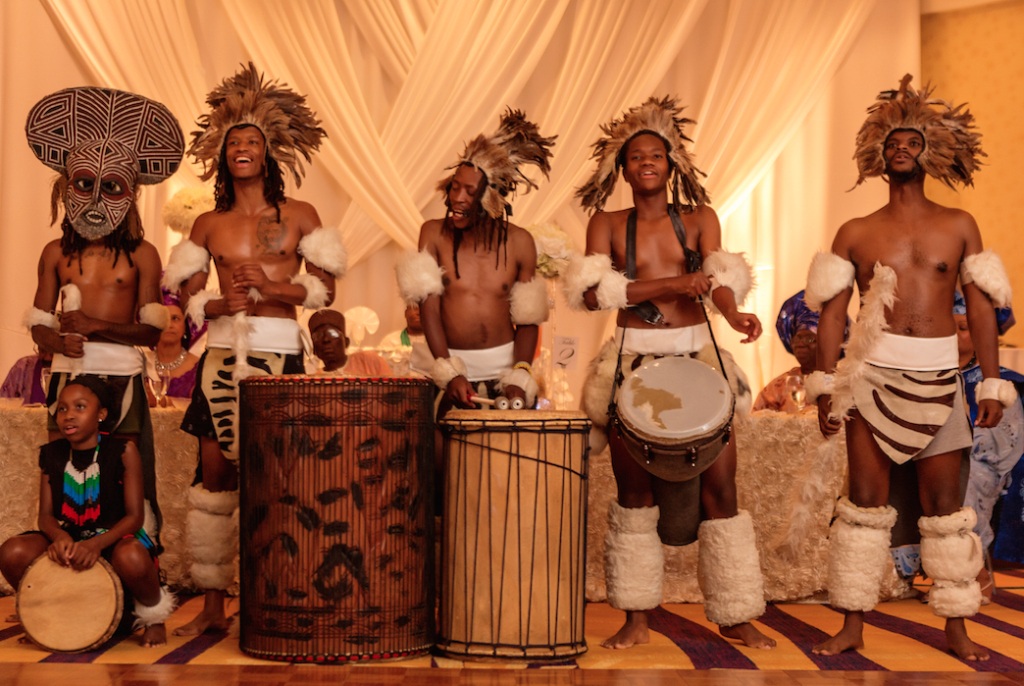
African weddings continue to stand out as rich cultural events that bring together families, traditions, and communities. These celebrations combine music, fashion, rituals, and shared values that reflect the identity of the couple and their heritage. While many couples embrace both modern and traditional elements, a lack of cultural awareness can lead to avoidable mistakes that affect the meaning of the occasion.
Understanding and respecting traditions remains essential for both couples and guests. When people overlook cultural practices, they risk offending elders, weakening family relationships, and disrupting important ceremonial moments. As African societies balance tradition and modernity, the need for cultural sensitivity in weddings continues to grow.
One of the most common mistakes involves ignoring the role of families and elders. In many African cultures, marriage connects two families rather than just two individuals. Elders guide decision making, offer blessings, and ensure that traditions are followed. When couples fail to involve them during planning stages, families may view this as disrespectful, which can create tension before the marriage even begins.
Another issue arises when couples skip important traditional ceremonies. Events such as family introductions, bride price negotiations, and cultural blessings hold deep meaning. Some couples focus only on modern wedding formats and leave out these customs. This decision may disappoint relatives who value tradition and see these ceremonies as essential steps in building a strong union.
Clothing choices also play a key role in maintaining cultural respect. Traditional weddings often require attire that reflects identity and heritage. Wearing outfits that do not align with cultural expectations, especially those considered too revealing or inappropriate, can draw criticism and shift attention away from the purpose of the celebration.
Cultural symbols also demand careful handling. Items such as beads, fabrics, crowns, and ceremonial objects often carry historical and spiritual meaning. Treating these items as simple decorations or using them without understanding their significance may appear disrespectful to families and communities.
In addition, guests sometimes interrupt important moments without realizing their significance. Rituals that involve prayers, blessings, or symbolic acts require attention and respect. Loud conversations, unnecessary movement, or poorly timed photography can disrupt these moments and reduce their emotional impact.
Greeting etiquette remains another important aspect. Many African cultures place strong emphasis on respectful greetings, especially toward elders. Guests who fail to greet properly may come across as careless or disrespectful, even if this was not their intention.
Food also carries cultural importance during weddings. Hosts prepare traditional meals as a sign of hospitality and pride. Complaining about the food or refusing to try local dishes may offend the hosts and diminish the spirit of sharing that defines many African celebrations.
Scholars and cultural experts continue to highlight the importance of these traditions. Jomo Kenyatta once emphasized that marriage in African societies unites families and communities, not just individuals. Similarly, Yizenge Chondoka explains that traditional marriage practices help preserve cultural identity across generations. Augustine Nwoye also notes that extended family systems play a central role in maintaining social harmony within marriages.
These perspectives show that African weddings carry both cultural and social significance. When traditions are respected, they strengthen relationships and create a sense of belonging among families. However, ignoring them can lead to misunderstandings and weaken the foundation of the marriage.
At the same time, the evolution of weddings across Africa presents new opportunities. Couples now blend traditional and modern practices to create unique experiences that reflect both heritage and personal values. This approach allows cultural preservation while adapting to changing lifestyles.
Looking ahead, awareness and education about wedding traditions will remain important. Event planners, families, and couples all have a role to play in ensuring that ceremonies remain respectful and meaningful. As more people share their cultures globally, maintaining authenticity while embracing change will define the future of African weddings.
Ultimately, African weddings go beyond celebration. They represent identity, unity, and continuity. Respecting traditions ensures that these events remain powerful expressions of culture and family values for generations to come.


