


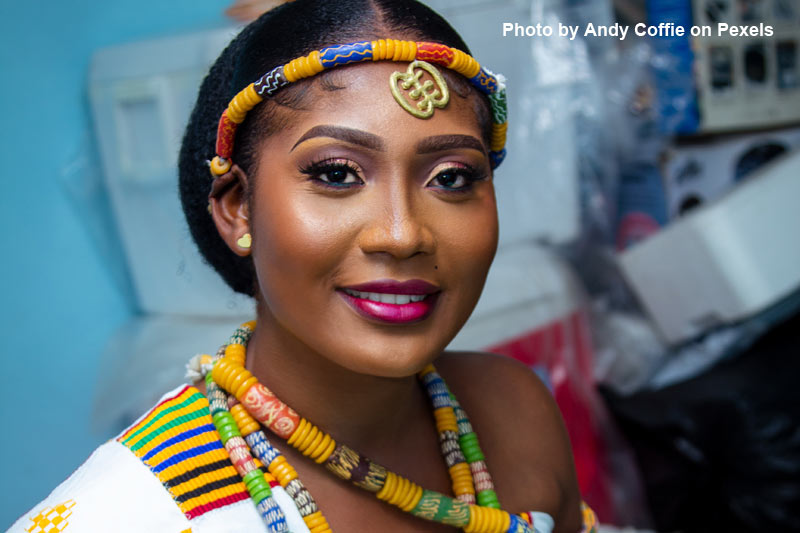
Across Africa, wedding ceremonies carry deep cultural meaning, and color plays a central role in communicating identity, tradition, and belief. In many African societies, the colors worn by brides go far beyond decoration. They represent messages about faith, ancestry, family lineage, and social values long before wedding vows begin.
While modern weddings often feature white gowns influenced by Western traditions, many African communities continue to honor traditional colors and fabrics that carry historical and cultural significance. These colors function as a visual language that expresses both personal identity and community heritage.
The historical roots of color in African weddings
Long before the introduction of Western-style weddings, marriage in African societies involved families, elders, and ancestral traditions. Wedding ceremonies served as communal events that connected generations and strengthened social ties.
During these ceremonies, clothing and colors communicated important messages. A bride’s attire reflected respect for her lineage, acknowledgment of ancestral traditions, and readiness to enter a new stage of life. Fabrics, dyes, and beads often carried symbolic meanings related to fertility, prosperity, spiritual protection, and social status.
In this context, colors acted as markers of identity and cultural belonging rather than simple aesthetic choices.
The influence of religion and cultural adaptation
Christianity and Islam later introduced new wedding traditions across many African societies, including the widespread use of white bridal gowns. In Christian ceremonies, white clothing typically symbolizes purity, commitment, and spiritual covenant.
However, African communities did not abandon their traditional customs. Instead, many weddings now combine religious practices with local cultural expressions. Brides often wear a white gown during church or mosque ceremonies and later change into traditional attire that reflects their cultural roots.
This blend of influences illustrates how African societies adapt to change while preserving their heritage.
Cultural diversity across the continent
Wedding traditions across Africa vary significantly between ethnic groups rather than by national borders. Countries such as Nigeria, Ghana, Kenya, and South Africa contain multiple cultural communities, each with its own symbols, fabrics, and bridal color traditions.
As a result, bridal attire differs widely depending on cultural identity and family heritage.
Regional wedding colors and symbolism
Nigeria
Nigeria’s diverse cultures display distinctive bridal traditions. Among the Yoruba people, brides often wear red, wine, blue, and gold fabrics paired with coral beads. These beads symbolize royalty and ancestral authority.
Igbo brides frequently choose red, copper, and earth-toned fabrics that represent fertility, land, and family lineage. In northern communities such as the Hausa and Fulani, bright colors including red, gold, and orange appear alongside decorative henna designs during cultural wedding celebrations.
White gowns usually appear during religious ceremonies rather than traditional ones.
Ghana
In Ghana, Akan weddings prominently feature kente cloth, one of the most recognized African textiles. Each color in kente carries meaning. Gold represents wealth and prosperity, blue symbolizes harmony and peace, and green reflects growth and renewal.
Gold jewelry also plays an important cultural role and often highlights family heritage and social status.
South Africa
Zulu brides traditionally wear brightly colored garments decorated with detailed beadwork. Red frequently symbolizes readiness for marriage and adulthood. Beadwork itself serves as a communication system that expresses social messages, relationships, and identity within the community.
Kenya
Among the Maasai people, brides typically wear red garments accompanied by elaborate handmade beadwork. The color red symbolizes protection, strength, and vitality. Beaded jewelry also reflects family identity and plays an important role in marriage rituals.
Ethiopia
Ethiopian Orthodox weddings often feature white garments decorated with colorful woven patterns and embroidery. These designs reflect both religious symbolism and centuries of cultural tradition.
Morocco
In Moroccan weddings, brides may change outfits several times during the celebration. Colors such as red, green, gold, and blue appear frequently. Green often carries religious meaning and symbolizes blessing in Islamic tradition.
Senegal and Mali
In parts of West Africa, including Senegal and Mali, indigo-dyed fabrics and earth tones represent dignity, heritage, and social identity. These traditional textiles often connect families to historical craft practices passed down through generations.
A shared cultural purpose
Despite the wide variety of customs across the continent, African wedding attire shares a common purpose. Colors, fabrics, and jewelry communicate messages to families, elders, and communities.
Bridal clothing expresses respect for ancestry, signals readiness for marriage, and celebrates cultural continuity. Designers and families select fabrics and colors carefully to preserve traditions and honor historical meaning.
Tradition and modern identity
Modern African weddings often combine several stages of celebration. A bride may begin with a religious ceremony wearing white and later appear in traditional clothing that represents her cultural background.
This layered approach reflects continuity rather than contradiction. African societies continue to embrace modernization while protecting cultural identity and heritage.
Cultural meaning beyond decoration
Scholars have long recognized the importance of clothing and textiles in African cultural expression. Researchers Judith Perani and Norma H. Wolff emphasize the central role of cloth in communicating identity and aesthetic values within African societies.
International organizations also acknowledge the cultural importance of traditional textiles. The United Nations Educational, Scientific and Cultural Organization (UNESCO) recognizes Ghana’s kente cloth as part of humanity’s intangible cultural heritage, highlighting its role as a medium of communication and identity.
These perspectives reinforce a central idea found across African weddings. Colors, fabrics, and beads carry meaning that goes far beyond visual beauty. They represent history, belief, and social connection passed from one generation to the next. In African ceremonies, color does not simply decorate the wedding. It tells the story of culture, heritage, and identity.


