

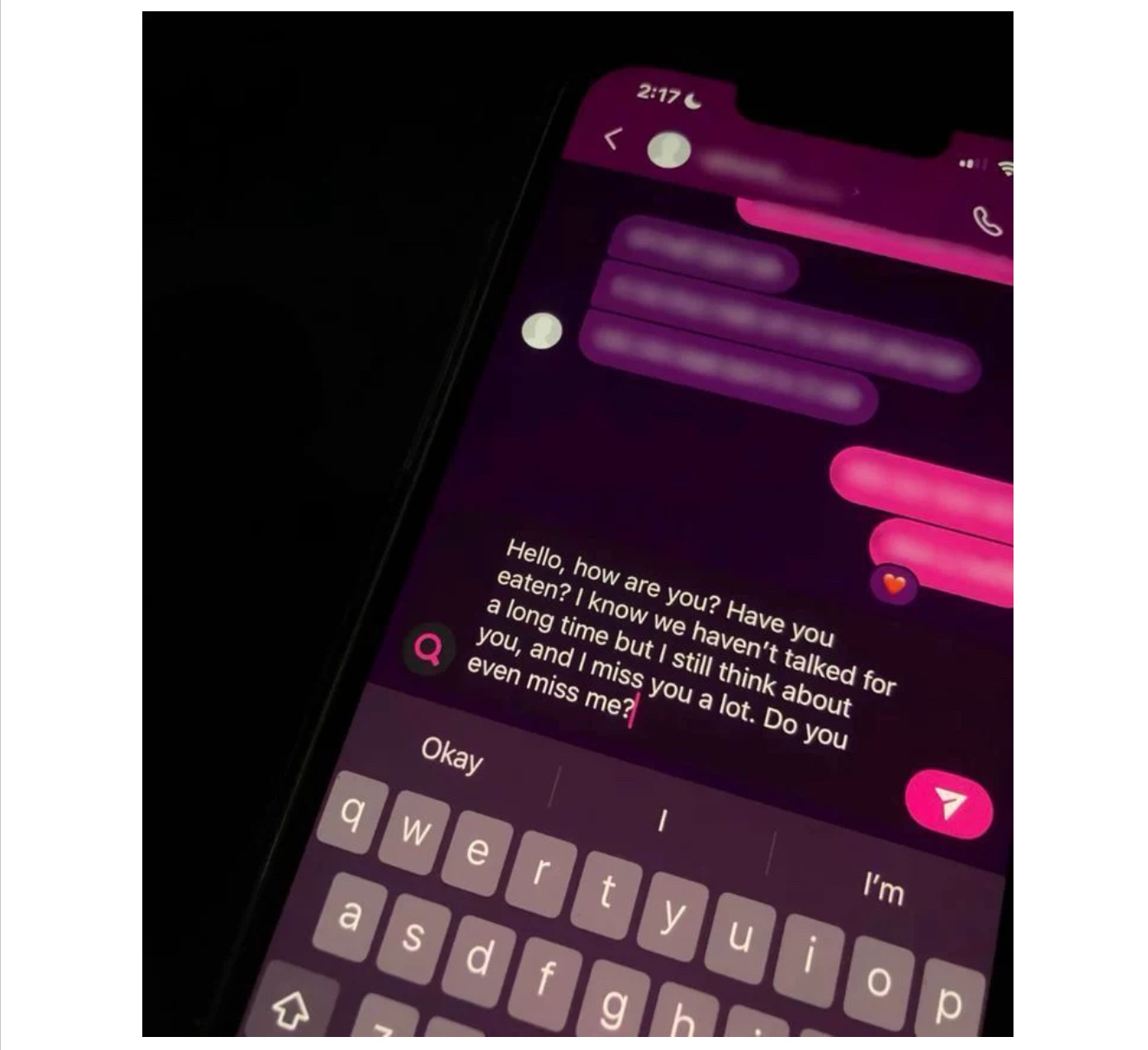
A late-night notification may seem harmless, but relationship experts say it can have a significant impact on married life. As digital communication becomes a permanent part of modern work culture, many couples are struggling to maintain healthy boundaries between professional responsibilities and personal relationships.
The issue has become increasingly common in workplaces that operate across different time zones. While technology allows employees to remain connected and productive, it can also bring work-related stress directly into the home. As a result, many spouses feel that work no longer ends when the office closes.
When work follows couples home
For many years, the journey from work to home acted as a natural transition period. Employees could leave workplace pressures behind and focus on family life. Today, however, smartphones, messaging apps, and remote work tools have largely removed that separation.
Consequently, many professionals remain mentally connected to work long after office hours end. Notifications arrive during family dinners, weekend activities, and even in the middle of the night. This constant accessibility often creates tension between partners.
Claire, whose husband frequently responds to work messages after hours, described the emotional impact of these interruptions.
“It’s not just that he was working late,” Claire reflects. “It’s that our home had no borders. The office didn’t stop at the front door; it followed him into our sheets, our dinners, and our midnight hours. I realized my biggest competitor wasn’t another person it was a smartphone that allowed his boss to sit between us in our most private moments.”
The psychological effects of constant connectivity
Experts explain that repeated digital interruptions can weaken emotional connection within relationships. Although each notification may seem minor, the cumulative effect can be significant over time.
According to workplace behavior specialists, constant device checking sends unintended messages to partners. When one person repeatedly shifts attention to a screen, the other may feel ignored or undervalued.
“We are seeing a massive spike in what we call ‘technoference’ the systematic interruption of interpersonal moments by digital devices,” explains a behavioral psychologist specializing in workplace dynamics. “When a partner constantly checks their screen during a shared moment, it sends a powerful, subconscious message: ‘The person on the other side of this glass is more urgent than the person sitting right in front of me.’ Over time, that micro-rejection causes deep-seated resentment to settle into the foundation of the marriage.”
Furthermore, work-related alerts can trigger stress responses even during moments meant for relaxation. Instead of serving as a place of recovery, the home can begin to feel like an extension of the workplace.
Emotional distance between partners
In many cases, the challenge extends beyond the actual amount of work. The deeper issue involves emotional availability. A spouse may be physically present while remaining mentally occupied by deadlines, projects, and workplace demands.
This situation often creates feelings of loneliness and frustration for the other partner. Over time, repeated interruptions can reduce meaningful conversations and weaken emotional intimacy.
Julian, whose partner managed international business accounts, shared a similar experience.
“I felt like I was competing with an entire corporate infrastructure,” says Julian. “We would be in the middle of a weekend movie, and her wrist would vibrate with an Apple Watch alert. The tension in her shoulders would instantly return. You can’t compete with a global market that never sleeps. Eventually, you just stop trying to connect because it’s too painful to be constantly interrupted.”
Strategies couples are using to protect their relationships
As awareness of digital intrusion grows, many couples are adopting practical strategies to restore balance. One of the most common approaches involves removing smartphones from the bedroom. Instead, couples use traditional alarm clocks and create technology-free sleeping environments.
Additionally, many professionals now customize notification settings. They allow urgent family calls to come through while silencing emails, messaging platforms, and project management applications during personal time.
Experts also encourage couples to discuss workplace expectations openly. By treating excessive work intrusion as a shared challenge rather than an individual failure, partners can work together to establish healthy boundaries.
The future of work-life balance
Remote work and global business operations are likely to remain part of modern professional life. Therefore, the challenge of balancing connectivity and personal relationships will continue to grow.
However, relationship counselors believe couples can adapt successfully. Clear communication, agreed boundaries, and intentional quality time can help protect marriages from the pressures of a constantly connected world.
Ultimately, technology itself is not the problem. Rather, the way people manage access to it determines whether it strengthens or weakens their relationships. As workplaces continue evolving, many couples are learning that protecting time together is essential for long-term relationship health.
ALSO READ: Staying after betrayal: Is it love, ego, or fear that keeps couples together?


