



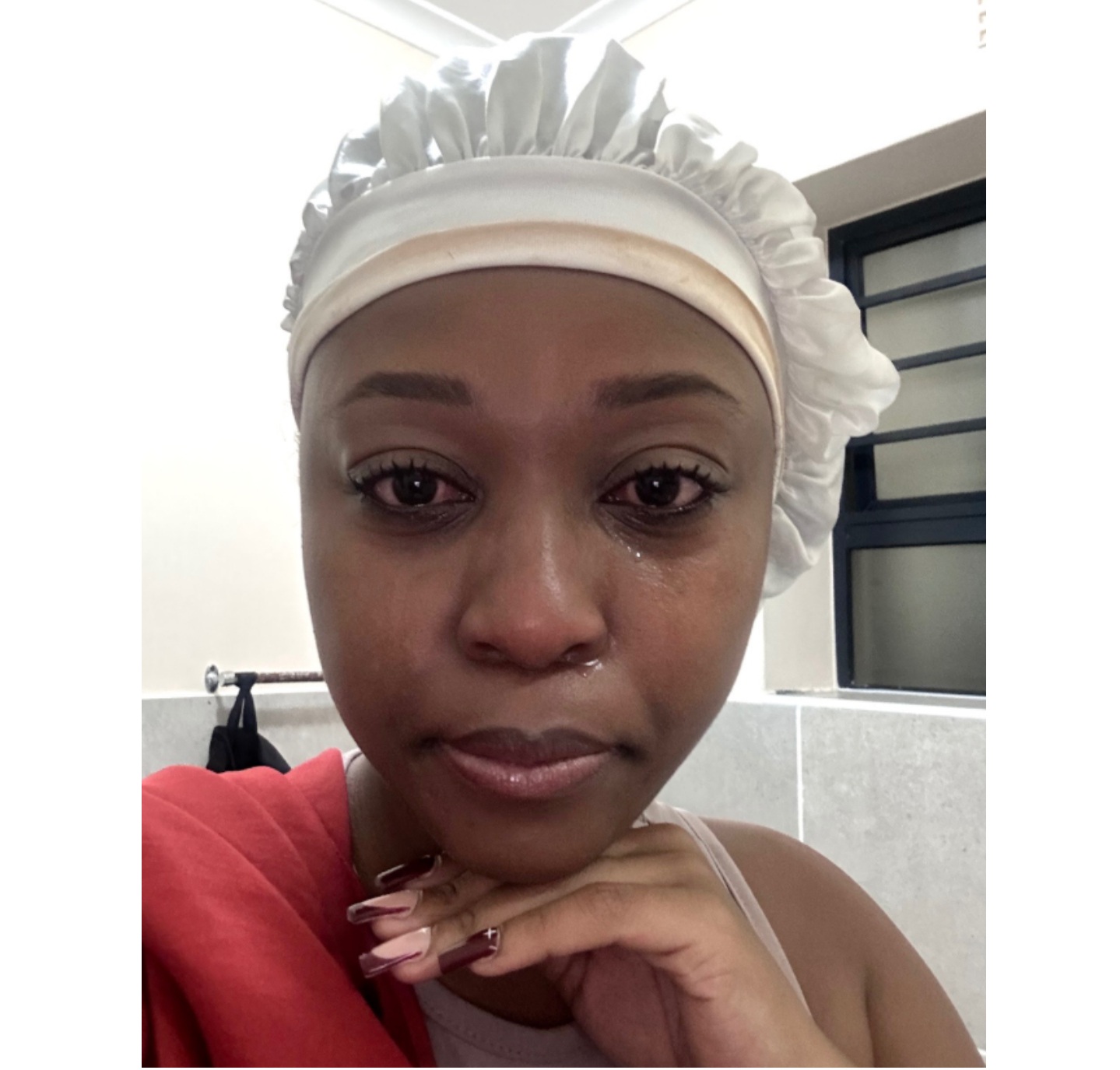
A young South African graduate has sparked widespread discussion on social media after sharing the lessons she learned from a three-year relationship with a wealthy older man. Her story has reignited conversations about financial independence, emotional security, and the role of money in modern relationships.
Siyamthanda Mabizela explained that when she was a university student in her early twenties, she believed that dating a successful and financially secure man could help her escape poverty. Coming from a challenging background, she had no stable income, assets, or financial independence at the time.
As a result, the relationship appeared to offer a pathway to a better life. However, her experience ultimately led her to a very different conclusion.
The attraction of financial security
According to Mabizela, the man she dated was ten years older and enjoyed significant professional success. He reportedly owned two properties in Cape Town, drove a BMW M4, held an MBA qualification, and worked as a Senior Manager at one of the Big Four firms.
Consequently, the relationship introduced her to a lifestyle she had never experienced before. Luxury dinners, international travel, five-star hotels, and exclusive experiences became part of her everyday life.
The relationship appeared serious. The man introduced her to members of his family, which strengthened her belief that marriage and long-term stability were within reach.
Reflecting on that period, Mabizela said:
“I wanted to be his wife. I thought it would lift me out of poverty and lead to a happily ever after.”
When luxury could not replace emotional support
Although the relationship provided financial comfort and access to luxury experiences, Mabizela said something important was missing. Over time, she realized that emotional support and personal development were not receiving the same attention.
According to her account, the relationship focused more on gifts and material experiences than on helping her build a secure future for herself.
She explained:
“He would take me to expensive places, but wouldn’t support me in getting my driver’s licence or even buy me a laptop.”
As a result, she gradually felt that her personal growth was being overlooked. While she enjoyed the lifestyle, she remained financially dependent and emotionally unfulfilled.
The decision to walk away
The relationship faced additional challenges when repeated incidents of infidelity reportedly occurred. Eventually, Mabizela decided to end the relationship after three years.
Leaving meant giving up the luxurious lifestyle she had once admired. However, she says the experience taught her valuable lessons about self-worth, independence, and long-term security.
Reflecting on the outcome, she stated:
“I left that relationship with absolutely nothing.”
Despite the difficulties, she believes the experience pushed her toward a more sustainable path of personal growth.
Building independence after heartbreak
Following the breakup, Mabizela shifted her focus toward education and self-development. Today, she holds a postgraduate degree from one of Africa’s leading universities and supports herself financially.
Furthermore, she says achieving independence has provided a sense of confidence and peace that material comfort alone could not offer.
Instead of expressing regret, she now encourages young women to invest in their education, careers, and personal growth before depending on a relationship for financial stability.
She wrote:
“Independence is leverage. Having your own education and money gives you the option to walk away when a relationship doesn’t serve you.”
She also encouraged women to focus on building their own identities and opportunities before pursuing marriage.
“Love will come and go, but some opportunities only visit once in a lifetime. Choose yourself.”
Social media reactions and wider implications
Mabizela’s story generated mixed reactions online. Some social media users praised her message and described it as an important lesson for young people. Others argued that relationships can still create opportunities for growth when both partners work together.
Buhle Joxo emphasized that marriage should focus on partnership rather than financial rescue, commenting:
“Marriage should not be a platform to remove you out of poverty but a partnership where you meet someone who aligns with your values so you can build a family and advance a common goal and vision together.”
Meanwhile, Unathi Ndlovu said the story inspired her to focus on personal independence after ending a previous relationship.
“I need to find myself first and be independent because this is my dream of owning my things.”
However, Tracy Bwalya offered a different perspective, arguing that personal choices also play a role in long-term outcomes.
“We have all seen how some women who seemed to be nobody become something useful because of a man, so it just depends.”
What young people can learn
Experts and observers note that financial stability remains an important consideration in relationships. Nevertheless, relying entirely on a partner for economic security can create vulnerability and reduce personal freedom.
Therefore, many relationship specialists encourage individuals to build their own skills, education, and financial foundations before entering serious commitments.
As conversations around relationships continue to evolve, Mabizela’s story highlights a growing trend among young people who value emotional security, independence, and shared goals as much as financial success.
Looking ahead, the debate is likely to continue as more people examine how money, personal growth, and emotional wellbeing influence relationship decisions in modern society.
ALSO READ: The origin and evolution of the wedding after party


