


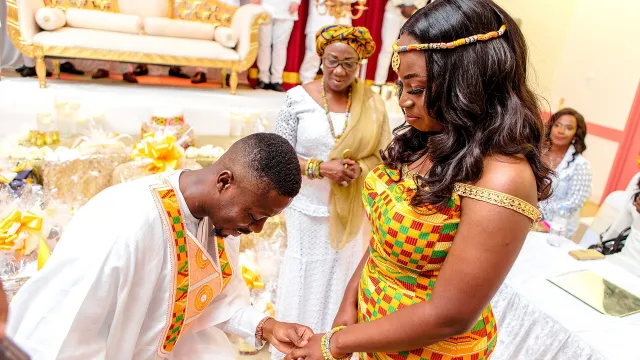
Bride Price and Biblical Marriage remains one of the most debated topics in Christian communities today. In many societies, bride price is a respected cultural practice symbolizing honor and unity between families. At the same time, biblical marriage is understood as a sacred covenant before God, rooted in love and spiritual responsibility rather than material exchange.
This discussion raises an important question: Is bride price a divine requirement, or is it a traditional custom shaped by history?
As society evolves and faith deepens, marriage stands at a crossroads between tradition and covenant.
Bride Price and Biblical marriage in cultural context
Culture plays a powerful role in shaping marriage practices. Bride price has existed for generations as a meaningful tradition. It is not viewed as buying a woman, but as a gesture of appreciation and respect toward her family.
It strengthens relationships between families, affirms the value of the bride, and preserves cultural identity.
Elders often see it as essential for legitimizing marriage within the community. Without it, some believe a union lacks honor and recognition.
Biblical marriage as a sacred covenant
When examining marriage through Scripture, the focus shifts from payment to covenant.
The Bible describes marriage as a spiritual union, a lifelong commitment, and a covenant before God.
Although bride price appears in ancient biblical culture, it is not presented as the foundation of marriage.
For example, Exodus 22:16 states:
“If a man seduces a virgin who is not pledged to be married and sleeps with her, he must pay the bride price, and she shall be his wife.”
This reference reflects cultural law of the time rather than a universal command for all marriages. The deeper biblical emphasis remains unity, love, and faithfulness.
The tension between culture and covenant
The debate centers on one key issue: Is bride price a spiritual obligation or a social custom? Some argue that maintaining the practice protects cultural heritage, family dignity, and social recognition. Others believe that when bride price becomes excessive or transactional, it risks overshadowing the true covenant of marriage.
Voices of Modern Brides
As communities navigate this balance, young couples often stand at the center of delicate negotiations.
Aline UWIDUHAYE said:
“I understand why our families value bride price. I respect our culture. But marriage is more than goats, cows, or money. My heart is committed to God first. I want a marriage centered on faith, not exchange.”
Claudine MUSHIMIYIMANA shared:
“Sometimes it feels as though the goats and money are more important than me. I want partnership and faith, not transaction. If another goat is added, I might walk straight to church and let God bless our union without delay.”
Their reflections highlight how modern couples interpret marriage through both faith and changing social values.
Preserving tradition while centering faith
The conversation does not demand abandoning culture. Rather, it invites reflection.
Bride price may remain a symbol of respect, a bridge between families, and a cultural celebration.
But biblical marriage remains a covenant before God, a vow of lifelong faithfulness, and a spiritual union rooted in love.
The true seal of marriage is not livestock or money, but the vows made before God.
Communities today must reflect on how to preserve tradition wisely while ensuring that covenant, not transaction, remains at the heart of every union.


