


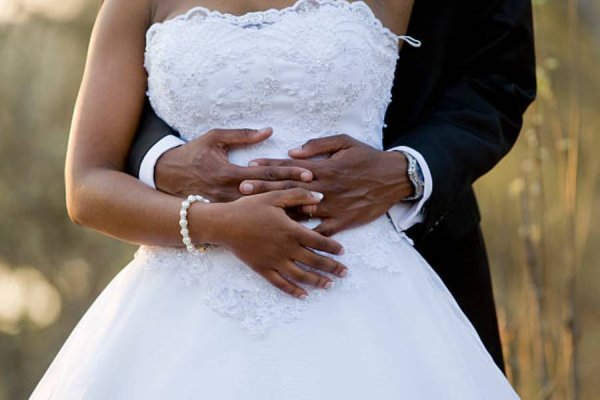
Performance weddings in Africa are increasingly transforming traditional marriage ceremonies into highly staged events, complete with rehearsed dances, drone footage, matching outfits, and social media-driven moments. While weddings have always marked joy and unity, critics now question whether some ceremonies prioritize public applause over preparing couples for married life.
Across Rwanda and other African countries, guests now encounter weddings designed as visual performances rather than cultural rites. Families and experts are asking a pressing question: who benefits from these elaborate displays and who pays the price?
From cultural celebration to social media spectacle
Traditionally, weddings in Rwanda symbolized the start of a shared life supported by elders, family guidance, and cultural values. Today, however, many ceremonies resemble entertainment shows, with months spent rehearsing dances and planning content for online audiences.
Dr. Scott Stanley, a psychology professor and co-director of the Center for Marital and Family Studies at the University of Denver, warns that excessive focus on the event itself can distract couples from marriage preparation.
He explains that couples often invest more time planning weddings than preparing for life together, leaving them emotionally unprepared after the celebration ends.
Who benefits from performance weddings?
Performance-style weddings often benefit luxury vendors, choreographers, photographers, and social media platforms. Lavish ceremonies can also elevate family status and attract online recognition.
However, marriage counselors caution that couples often absorb pressure that offers little long-term benefit. According to the American Psychological Association (APA), financial stress and unmet expectations rank among the leading causes of marital conflict.
The hidden price couples pay
For many couples, the cost of performance weddings extends beyond finances. Emotional exhaustion, debt, and unrealistic expectations often follow the celebration.
Niyongira William from Rwamagana reflects on his experience, noting that many couples spend more time rehearsing dances than discussing their future. He says that after the wedding, exhaustion replaces readiness for married life.
Similarly, Kanyarutoki Pierre from Munyaga believes performance culture weakens unity, explaining that when weddings focus on impressing others, couples stop asking what they truly need as partners.
Culture, dignity, and forgotten meaning
In many African cultures, weddings emphasized dignity, respect, and guidance from elders rather than display. Celebrations centered on unity, not performance.
Dr. John M. Gottman, founder of The Gottman Institute, notes that wedding ceremonies do not predict marital success. Instead, long-term stability depends on how couples manage conflict, stress, and emotional connection after the wedding.
Balancing celebration and preparation
Muteteri Francoise from Rwamagana says she enjoyed her wedding but wishes she had balanced fun with deeper preparation. She warns that when weddings turn into shows, marriage risks becoming secondary a dangerous trend for families.
Marriage educators from institutions like the National Marriage Project at the University of Virginia emphasize that couples who discuss finances, values, expectations, and conflict before marriage are more likely to build stable unions.
A question couples must ask
As weddings continue to evolve, couples face a choice: prepare for applause or prepare for partnership. A wedding lasts a day, but marriage unfolds over years. When celebrations remain rooted in meaning rather than performance, couples are more likely to enter marriage grounded, united, and ready for real life not just admired.


