


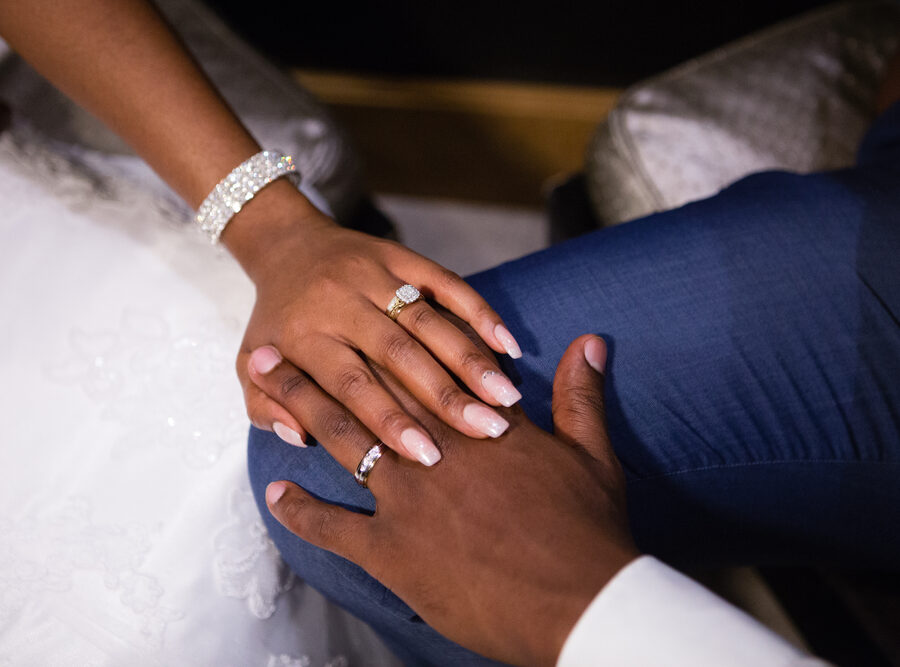
Wedding vs marriage is a question many couples in Rwanda and across Africa are increasingly asking. As colorful ceremonies, music, and celebrations take center stage, concerns are growing that the wedding day may be receiving more attention than the lifelong commitment that follows.
While weddings are meaningful cultural events, experts and community voices agree that marriage not the ceremony determines long-term happiness and stability.
A beautiful day versus a lifelong commitment
A wedding lasts one day, but marriage lasts a lifetime. Relationship experts warn that many couples invest heavily in planning ceremonies while spending little time preparing for married life itself.
Renowned relationship researcher Dr. John M. Gottman notes that lasting marriages depend on trust, communication, and shared values rather than the beauty of the wedding day. Research consistently shows that couples who prepare emotionally and practically for marriage are more resilient than those focused mainly on celebration.
Similarly, the American Association for Marriage and Family Therapy (AAMFT) highlights that lack of marital preparation rather than lack of a grand wedding is a leading cause of marital conflict and divorce.
Karemera Pierre from Rwamagana believes priorities have shifted: “People borrow money for weddings but don’t talk about how they will live together after. A wedding ends in one day, but marriage continues.”
Hakizimana Eric from Munyaga Sector agrees but stresses balance: “A wedding honors families, but it should not destroy the future. If serious problems exist, it’s better to pause than rush.”
Musaza Anastase, also from Rwamagana, recalls earlier traditions: “Before, families asked many questions before approving marriage. Today, people focus on clothes and music. That is dangerous.”
When appearances matter more than reality
Psychologists from the American Psychological Association (APA) warn that unresolved issues before marriage such as poor communication, financial disagreements, or infidelity rarely disappear after the wedding. Instead, they often intensify.
Local judicial reports in Rwanda show that many divorce cases stem from problems that existed before marriage but were ignored to avoid canceling or postponing weddings. Marriage counselors emphasize that delaying a wedding to address serious concerns is a wise decision, not a failure.
Wedding vs Marriage in the Rwandan cultural context
Traditionally, marriage in Rwanda was treated as a serious institution rather than a public spectacle. Elders played a central role in preparing couples through advice, mediation, and teachings on patience and respect.
Cultural researcher Nsanzabera Jean de Dieu explains: “Marriage was about building a home and uniting families. The wedding was important, but preparation for life afterward mattered more.”
Today, however, social media pressure and modern expectations have shifted attention toward expensive ceremonies and public image. Some couples proceed with weddings despite unresolved issues, fearing embarrassment or social judgment.
Relearning the true purpose of a wedding
As Rwanda continues to modernize, couples are being encouraged to rethink priorities. A strong marriage requires honesty, commitment, patience, and shared values qualities no decoration or celebration can replace.
In the end, the wedding should serve the marriage, not overshadow it. When the music stops and guests leave, what remains is not the wedding day, but the life built together afterward.


