


Wherever you go, wedding conversations always include one essential element the outfits. Every stage of the ceremony requires a specific style, and choosing the wrong one can disrupt the harmony of the big day. Depending on culture and tradition, especially between the West and Africa, couples may wear two, three, or even more outfits. But one truth remains: each outfit must reflect the moment and honor its meaning.
The civil wedding outfit
The civil wedding marks the official union before a legal authority. Most brides choose the classic white or beige dress, a symbol of purity and sincerity. Styles vary princess, mermaid, straight cut, or short dresses but the color usually stays the same because it represents the solemnity of the moment.
Grooms often wear a simple suit or tuxedo in neutral tones. Even though modern trends encourage creativity, white still stands as the timeless symbol of civil marriage.
The evening outfit
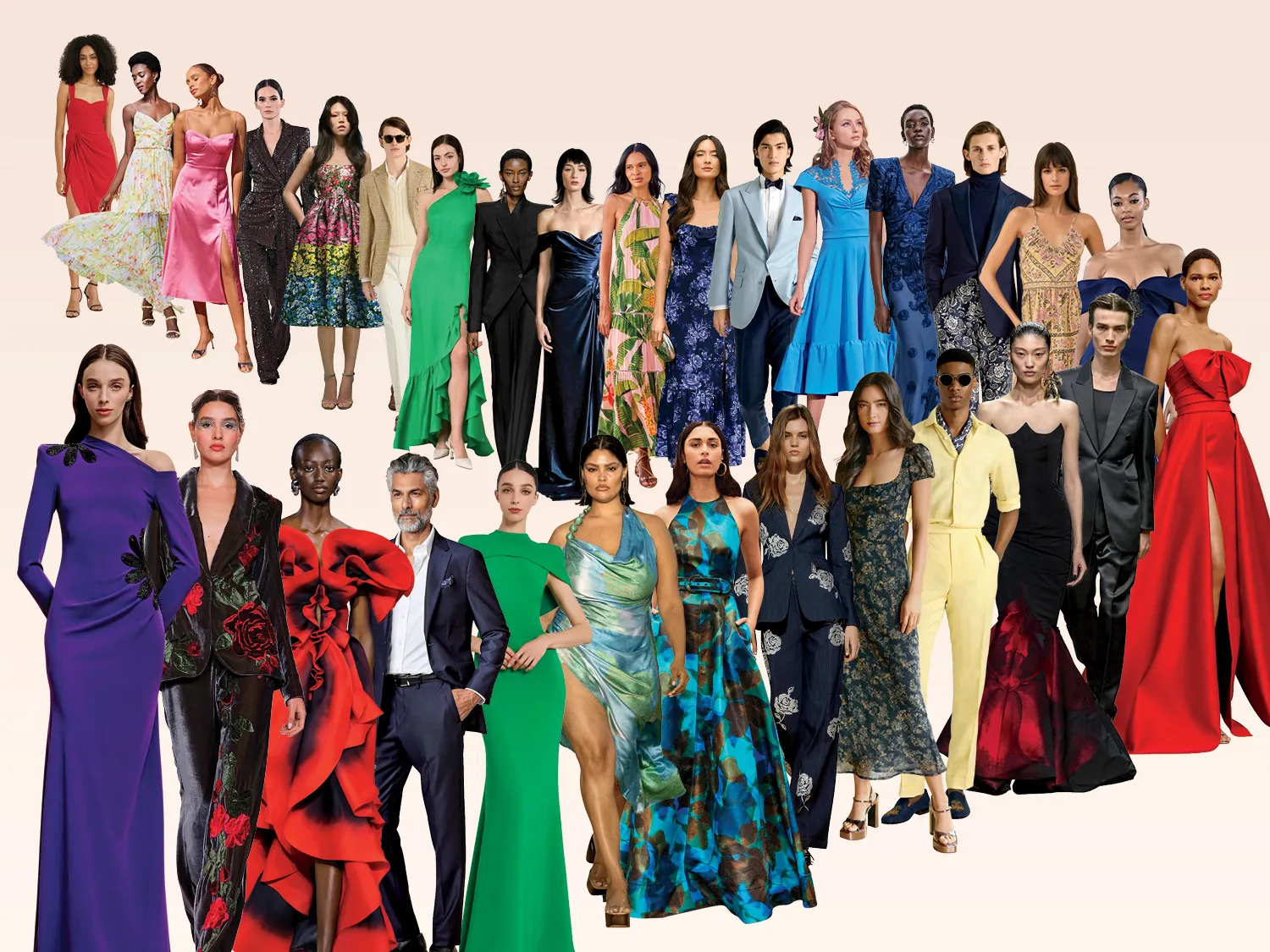
The evening outfit appears during the reception or dinner, where the atmosphere becomes more festive. Brides usually switch to something glamorous or modern: a sparkling gown, an elegant flowing dress, a chic jumpsuit, or a design with sequins, slits, or sheer details. This outfit lets the bride shine freely and enjoy the night.
Grooms may leave behind their classic suit for a tuxedo, a satin jacket, or a modern fit in bolder colors. The goal is comfort, style, and harmony with the wedding theme.
The traditional outfit
Traditional wedding attire honors cultural identity and family heritage. Brides often wear regional garments such as wrappers, embroidered dresses, beads, or symbolic headpieces. Colors and patterns also carry meaning, often representing luck, prosperity, or fertility.
Grooms wear a complementary look, sometimes featuring embroidery, belts, caps, or cultural accessories. The matching of both outfits symbolizes unity and respect for tradition.
The religious outfit
Couples wear the religious outfit during the blessing ceremony in a place of worship. Brides often choose a long white or ivory dress, detailed with lace, veils, or elegant embroidery. The look expresses devotion and respect for the sacred setting.
Grooms usually opt for a classic suit or tuxedo, simple yet refined. Coordinated elements between the couple create visual harmony during this spiritual moment.
The cocktail outfit
The cocktail outfit suits the relaxed moments after the main ceremonies. Brides may pick a short or mid-length dress comfortable, elegant, and perfect for dancing. Grooms often wear a lighter and less formal suit.
This outfit blends comfort with sophistication, giving the couple freedom to enjoy guests and the joyful atmosphere.
Other cultural outfits
In some cultures, such as in Gabon or Guinea, an additional ceremony called the bride’s handover takes place. During this ritual, the bride’s family accompanies her to join her husband’s family. The bride wears another outfit, usually inspired by her new family’s traditions, and in some cases, she also wears a veil symbolizing respect and transition.
This moment highlights the cultural depth of marriage and the impact of clothing in honoring family values.
Each stage of a wedding has a dedicated outfit, especially for brides who often change looks several times. Understanding the difference between these outfits helps avoid fashion mistakes and ensures each moment stands out beautifully. Beyond style, these choices celebrate families, cultures, and the meaning behind every step of the wedding journey.


