


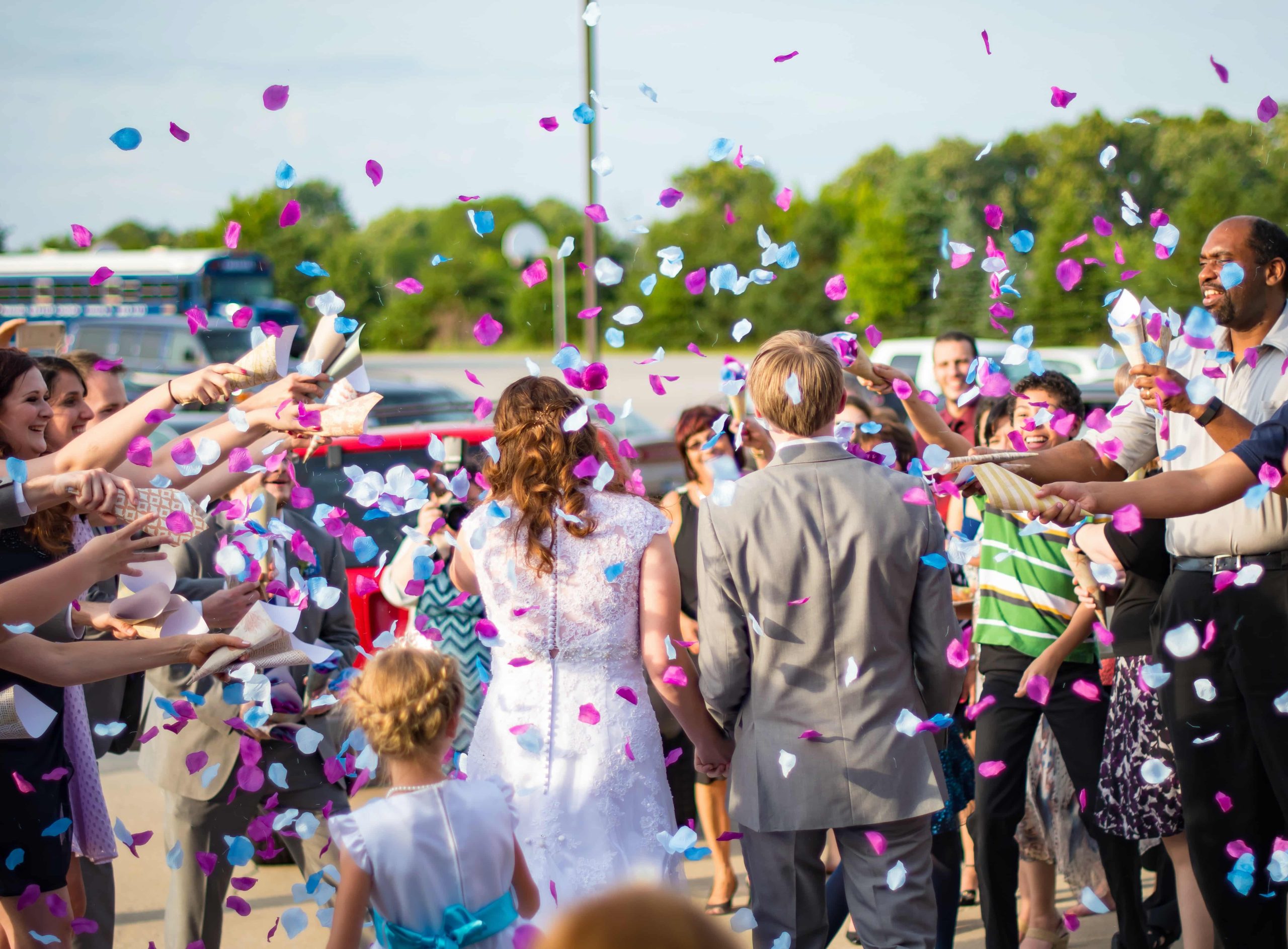
Preparing a wedding requires time, coordination, and precise planning. Couples often calculate food, drinks, and seating arrangements based strictly on their official guest list. However, reality sometimes unfolds differently. Many Rwandan couples find themselves surprised when unexpected guests show up leaving them with shortages of food and drinks meant for their invited attendees.
To avoid such mishaps, planners increasingly recommend preparing for uninvited guests, a common cultural phenomenon deeply rooted in Rwandan traditions.
A cultural tradition that still lives on
In Rwandan culture, many believe that no wedding is complete without uninvited guests. Historically, weddings were community-centered events where neighbors and acquaintances joined without needing formal invitations. Although wedding styles have modernized, this cultural expectation continues to shape how people participate in ceremonies today.
Some individuals openly admit that they join weddings in their neighborhoods simply to enjoy the festive meals, drinks, and entertainment.
Jean Derrick Iyumvise, a 20-year-old from Kamonyi District, told AfriWed that she attends nearby weddings whether she receives an invitation or not.
“To be honest, whether they invite me or not, if there is a wedding in my neighborhood, I go to eat and enjoy myself,” she said.
Similarly, 22-year-old Emmanuel Bucyensenge from Huye District once attended a wedding where he received a cup but no drink. Even the food had run out.
“They gave me a cup and I waited for a drink, but nothing came. Even the food was finished. It really upset me, even though I knew I had not been invited,” he said.
When newlyweds face the reality
Recently married couple Adeline Tuyisenge and Claude Mfitumukiza experienced the same challenge. Although they carefully planned their wedding, they forgot to account for extra attendees. They became shocked when the protocol team announced that food and drinks had run out while invited guests were still waiting.
Adeline explained,
“We planned everything carefully, but we did not expect so many uninvited people.”
Claude added,
“When they told us that food and drinks were already finished, we had no choice. We had to cook more and buy additional drinks.”
This situation forced them to reorganize quickly an added stress no couple wishes to face on their wedding day.
Experts explain why uninvited guests are common
Sociologists and cultural experts say this behavior has deep roots and practical motivations.
1. Cultural continuity
Dr. Claire Mukamana notes that traditional Rwandan weddings embraced the entire community. Everyone nearby was welcome, and attending symbolized respect and solidarity.
“In Rwandan culture, a wedding was not considered a celebration for only a few people. Attending a wedding, even if you were not invited, was seen as a way of respecting the family,” she explained.
2. Social and economic factors
Human behavior specialist Prof. Emmanuel Rurangirwa emphasizes that modern economic realities also play a role.
“For some, a wedding is a place to get things they do not usually have in everyday life food, drinks, and entertainment. This is why they attend even without an invitation,” he said.
Experts highlight several reasons behind this trend, including: The culture of sharing with community members, the belief that weddings are public celebrations, curiosity about the ceremony and decoration, Poverty, which pushes some people to seek food and drinks at events
Because uninvited guests remain common, wedding planners encourage couples to consider them in their preparations. Adding a small buffer in food, drinks, and seating can prevent embarrassment and ensure the celebration runs smoothly.
ALSO READ: Ways to prepare physically and mentally for your wedding day, blissful brides shares expert tips


