


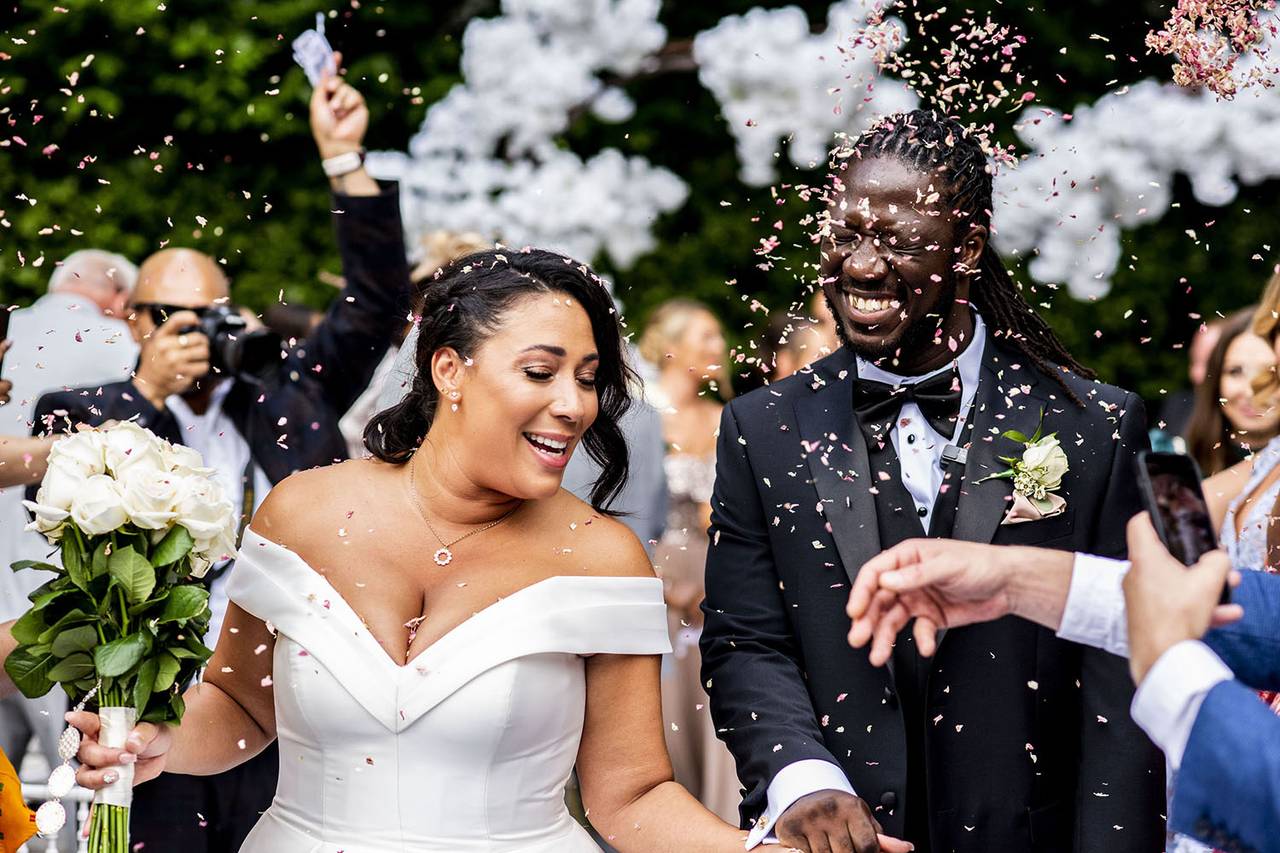
A wedding is one of the most exciting events in many people’s lives an occasion held in honor of a couple preparing to make a lifelong commitment. Around the world, cultures celebrate this day differently, yet traditional African weddings and white weddings remain among the most recognized and admired forms. Traditional African weddings are loved for their richness and cultural depth, while white weddings are appreciated for their simplicity and timeless elegance. Whether traditional African or white, the purpose remains the same: couples exchange vows, enter holy matrimony, and begin a shared life together.
The Vibrant and Community-Based Nature of Traditional African Weddings
In societies where weddings are celebrated with great enthusiasm, traditional weddings are especially notable for their energy and cultural expression. These ceremonies include entertainment, colorful attire, and meals prepared with great care. Many take place at the bride’s or groom’s home, allowing neighbors and extended family to join in.
Today, hotels worldwide have also embraced cultural wedding experiences offering ceremonies inspired by Hindu, Mayan, Maasai, and other traditions. In recent years, some African families, especially wealthier ones, have opted to host traditional weddings in luxurious venues.
Lauren Kay, deputy editor of The Knot, notes that cultural weddings appeal to couples not strongly tied to religion. “They’re a way for couples to create their own customs and not fit into a box,” she says. My uncle, who did not follow any religion at the time, had a two-day traditional wedding conducted by community chiefs rather than clergy.
Wedding planners also report increasing demand for cultural-themed ceremonies. For many couples, these weddings honor family heritage and strengthen cultural identity. A good example is the Maasai ceremony, where about twenty Maasai men may attend wearing colorful shukas and carrying fire-lit sticks. Guests wear tailored outfits that match the family’s chosen theme color.
The Beauty and Simplicity of White Weddings
The white wedding, originally from Great Britain, takes its name from the bride’s white dress. It typically includes a church ceremony where a priest blesses the couple as they exchange vows of love, loyalty, and unity.
Historian Catherine Dunak explains that after the 1940s, the white wedding became the standard style of wedding celebration. Films like Father of the Bride further increased its popularity. However, white weddings were not always elaborate. In the late nineteenth and early twentieth centuries, many couples married with minimal planning. Dunak notes it was unusual for weddings to be planned months in advance, and the day did not take as much focus as it does today.
Although the white wedding is often portrayed as a symbol of perfect romance and family unity, it has historically been a setting where families negotiated ideas about religion, gender roles, sexuality, and marriage expectations.
Shared Joy: What Traditional and White Weddings Have in Common
Despite their cultural differences, both wedding styles unite families and communities. Guests enjoy shared meals, dancing, gifts, and celebrations. During the second half of the twentieth century, many couples used weddings as a chance to express their identity and reinterpret cultural traditions, making these ceremonies even more meaningful.
Couples and guests look forward to a day filled with joy and lifelong memories. Whether the wedding is small or extravagant, traditional or white, its significance remains strong.
Modern Trends: Destination and Cultural Weddings
Today, many couples choose destination weddings that incorporate local customs. Jack Ezon, founder of Embark a New York travel company specializing in destination weddings mentions planning several cultural ceremonies, including one in Marrakesh, Morocco, where the bride held a traditional henna night for 200 women. These experiences blend travel, culture, and tradition, creating unforgettable celebrations.
Beyond the Wedding Day: The Importance of Marriage Commitment
While traditional weddings often emphasize community involvement and cultural responsibility factors that strengthen long-term relationships lavish white weddings do not necessarily guarantee marital stability. Recent decades have seen rising divorce rates among couples who had extravagant white weddings, whereas these issues are less common in traditional settings.
African traditional and white weddings both attract global admiration for their beauty and meaning. Couples save for months or years to create memorable experiences choosing venues, food, décor, attire, and honeymoons. Yet beneath all the colors and excitement, the most important part remains the marriage itself. Couples must choose their partners wisely and prepare emotionally for the lifelong journey that begins after the celebration.
ALSO READ: Love across borders, how mixed marriages unite families and cultures


