


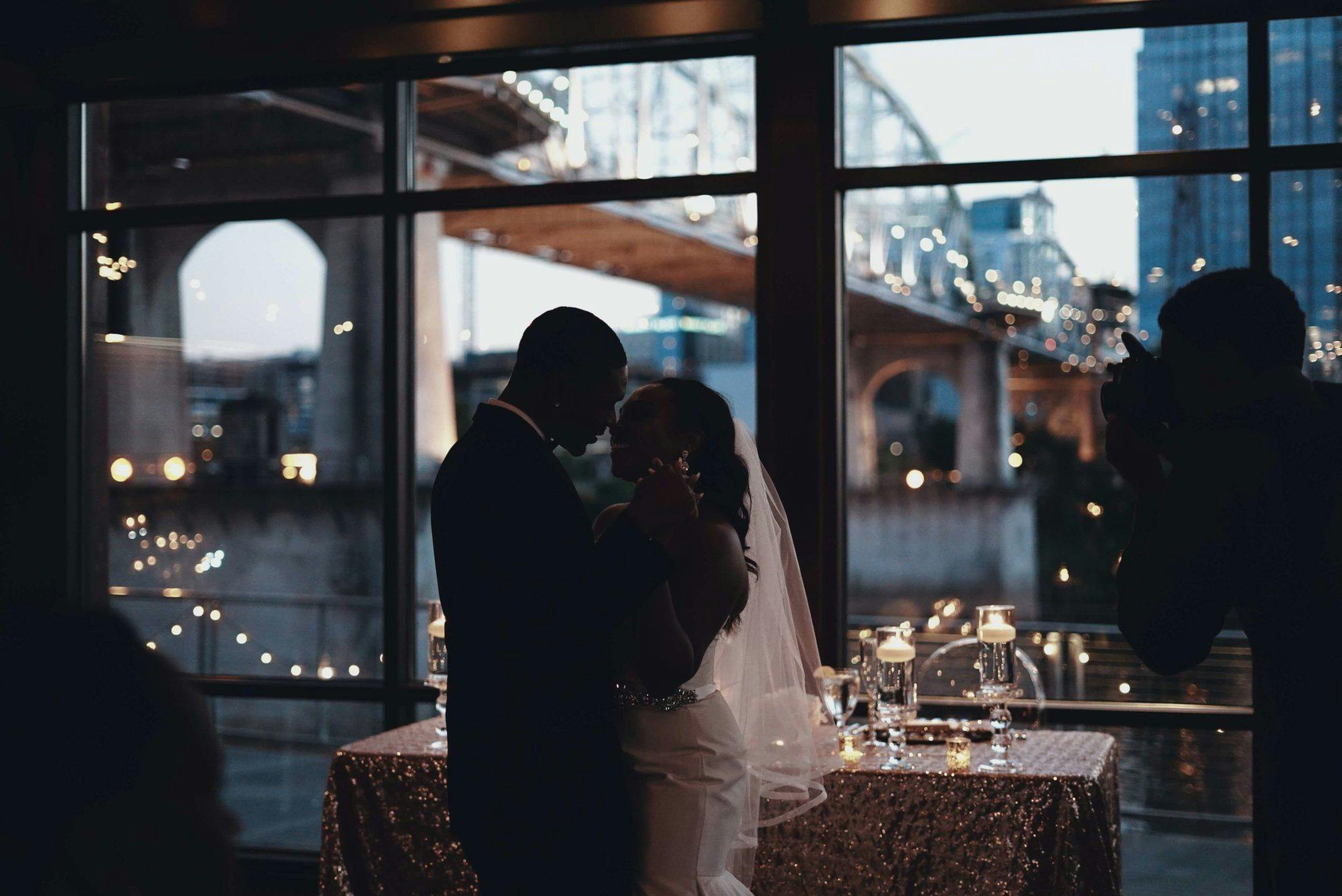
Every couple dreams of a wedding that feels right, one that reflects who they are and what they value. Before choosing flowers or a venue, one question quietly shapes everything else: “How big should our wedding be?”
In Rwanda, weddings can range from small garden ceremonies to grand receptions with hundreds of guests. But in recent years, couples have started to rethink what truly matters.
According to Kigali-based planners, more than half of modern weddings now fall between 50 and 200 guests, showing a growing preference for celebrations that are manageable and meaningful. The lessons of the pandemic also taught many that joy does not depend on crowd size; what matters is connection, not numbers.
1. The Elopement Wedding (0–2 guests)
Elopements remain rare in Rwanda but are slowly emerging among modern and diaspora couples who value privacy. These are small, symbolic ceremonies where a couple exchanges vows with only a witness or officiant present.
Some take place in scenic destinations such as Lake Kivu, Musanze, or private lodges, creating a quiet and personal experience. They often serve as the first step before a formal celebration with family later on.
While not yet part of mainstream culture, elopements represent a growing openness among Rwandans to redefine what a marriage ceremony can look like.

2. The Micro Wedding (10–20 guests)
The micro wedding became a defining trend during the COVID-19 restrictions, when large gatherings were not possible. Couples quickly discovered the beauty of small, elegant celebrations shared with their closest loved ones.
Even after restrictions were lifted, this format continued to appeal to celebrities, public figures, and diaspora couples who prefer elegance with privacy. Micro weddings include all the key elements of a traditional wedding—vows, décor, photography, and a reception—but with an intimate guest list.
Venues like The Retreat in Kigali, Lake Kivu Serena, or quiet countryside lodges have become popular choices. One planner described them as “the perfect balance between luxury and peace.”

3. The Intimate Wedding (20–50 guests)
The intimate wedding is where culture meets connection. It suits couples who want to celebrate with family and friends who truly matter.
In Rwanda, this often means a simple Gusaba at home followed by a modest reception in a garden or event hall. The setting feels personal and warm, filled with heartfelt speeches, laughter, and familiar faces.
Many families realized after the pandemic that intimacy creates stronger memories than scale. These weddings are now among the most common in Kigali, balancing beauty, affordability, and meaning.

4. The Classic Wedding (50–150 guests)
The classic wedding remains the most recognizable among the types of weddings in Rwanda. It’s festive, structured, and joyful without being overwhelming.
This format usually includes the Gusaba, church or civil ceremony, and a lively reception. Venues such as Kigali Marriott, or private event tents in Gahanga or Remera are often used.
With around 100 guests, couples can celebrate with elegance while keeping the event organized and personal. This size remains the most practical and widely preferred in today’s Rwandan wedding culture.
5. The Grand Wedding (150–300 guests)
The grand wedding represents community pride and family unity. It brings together extended relatives, friends, colleagues, and church members — everyone who has shared in the couple’s journey.
These celebrations often blend modern elegance with strong cultural roots. A lively Gusaba leads into a church ceremony, followed by a large reception with music, traditional performances, and elaborate décor.
According to insights from Kigali-based planners, grand weddings remain among the most common formats in Rwanda. They symbolize togetherness, generosity, and celebration on a community level.
6. The Luxury or Mega Wedding (300–1000+ guests)
Luxury or mega weddings are the ultimate statement events, designed for couples who see their wedding as both a personal and social milestone.
These celebrations often unfold over several days, combining Gusaba, Kuva ku irembo, church, and reception ceremonies. Expect cinematic lighting, aerial photography, and full production teams managing every detail.
In Rwanda’s expanding creative industry, these weddings have become showcases of artistry, coordination, and innovation. They require big budgets but create lasting memories and national attention.
ALSO READ: Love and Wedding in Kigali – Richard & Diane’s Elegant Day
How to Choose the Right Type of Wedding
- Start with your priorities. Decide whether you value connection, culture, or spectacle.
- Be realistic about your budget. Guest count determines nearly every cost—food, venue, décor, and photography.
- Consider your stage in life. If you’re early in your career or saving for a home, smaller weddings may be the wiser choice.
- Stay true to your story. Rwandan tradition can shine beautifully at any scale. The meaning matters more than the magnitude.
Rwanda’s Evolving Wedding Culture
Rwanda’s wedding culture continues to evolve with creativity, intentionality, and diversity. New venues, talented planners, and modern influences have expanded how couples define their perfect day.
From intimate garden gatherings in Kigali to multi-day celebrations in Nyamata, each couple is creating something unique. Weddings are no longer just events; they are reflections of identity, values, and love stories that blend tradition with modern life.
As one Kigali planner shared with AfriWed, “Rwandan weddings are changing, but what remains constant is the love that brings people together. Big or small, that’s the real beauty.”


