


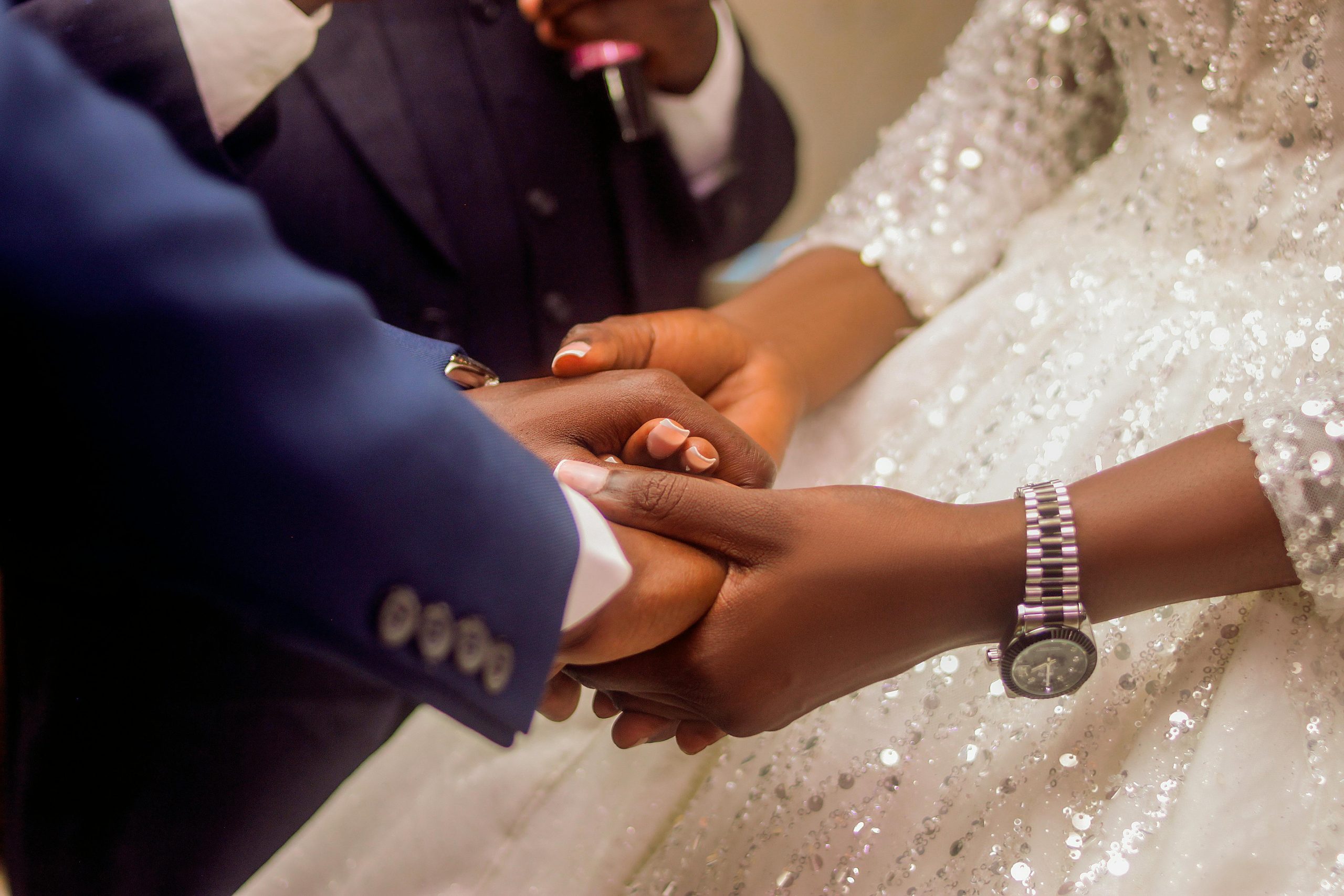
Marriage in Rwanda once stood as a shared milestone — a rite of passage linking families and generations. Today, that picture is changing. The latest census and national statistics reveal that many young Rwandans are delaying or avoiding marriage altogether. Behind this shift are complex social, economic, and cultural forces shaping modern views on love and commitment.
Changing Definitions of Youth and Marriage
Until 2015, Rwanda defined youth as those aged 14 to 35. The current National Youth Policy now focuses on ages 16 to 30. This adjustment reflects not only policy shifts but also social realities.
The 2022 Rwanda Population and Housing Census found that nearly half of Rwandans aged 21 and above (49.1%) are married, either officially or unofficially. Yet, marriage rates have been steadily declining since 1978.
Women still marry earlier than men. Between ages 20 and 24, one in three women (35%) is married, compared to one in six men (15.5%). And according to the 2024 Vital Statistics Report by the National Institute of Statistics of Rwanda (NISR), the number of registered marriages fell by 9.5% compared to the previous year — a striking signal of changing priorities among young people.
Why Many Young Rwandans Are Waiting
1. The Growing Fear of Divorce
Over the past decade, divorce has become more visible in Rwanda. Only 21 divorce petitions were filed in 2016. That number rose to 69 in 2017, then jumped to 1,311 in 2018. Courts granted 8,941 divorces in 2019 alone.
Although recent years show fewer cases — 3,213 in 2020, 3,322 in 2021–22, and 2,833 in 2023–24 — divorce remains a concern. For many youth, these figures weaken confidence in lifelong commitment and create hesitation about marriage.
2. The Financial Pressure of Weddings
The dream of a perfect wedding has become more expensive than ever. Young couples often feel pressured to host grand celebrations inspired by celebrities and social media trends.
New customs such as proposal parties, bridal showers, and project launches add layers of cost. From hiring MCs and singers to booking high-end venues, the expenses can discourage even financially stable youth.
As newlywed Isimbi Irakoze Diane notes, “Many of my friends delay marriage not because they don’t want it, but because they think it’s too expensive to do it ‘properly.’”
ALSO READ: Yes to the Dress Party: Rwanda’s Elegant New Pre-Wedding Celebration
3. Education and Career Take Priority
The youth literacy rate now stands at 88%, up from 85% in previous years. More young Rwandans are pursuing university or technical education, delaying marriage until they secure jobs or housing. For many, marriage feels like a milestone best achieved after achieving financial and emotional stability.
4. Shifting Values and Modern Lifestyles
Urbanization and global exposure have changed how young people see relationships. Independence, travel, and personal growth often take precedence over early marriage. Some youth see marriage as restrictive, while others feel that traditional gender roles no longer fit their goals or identity.
What Experts and Elders Recommend
Simplifying Traditions
Sociologist Dr. Jeanette Mukamana from the University of Rwanda encourages communities to make weddings simpler and more meaningful.
“If families agree to reduce the costs of dowries and ceremonies, more young people will feel ready to marry,” she says.
Cultural elder François Habimana adds, “Our customs should serve families, not impoverish them.”
ALSO READ: Life After the Wedding – Beyond the Big Day in Rwanda
Encouraging Counseling and Mentorship
Marriage counselor Claudine Uwase recommends more pre-marital counseling in churches, mosques, and community centers.
“Young people need guidance not just on love, but on financial management and family life,” she says.
Learning from Other Cultures
Pastor Dr. Antoine Rutayisire believes Rwandans can learn from Western wedding simplicity.
“In Europe or America, guests might share a simple glass of wine and go home. We spend millions we don’t have,” he says.
He advises couples to invest in assets such as land or housing rather than extravagant receptions. He also encourages families to consolidate ceremonies into a single day, reducing financial and emotional strain.
Finding Balance: Tradition, Simplicity, and Commitment
Rwandan youth and marriage are at a crossroads. The values of love and family remain strong, but the path to commitment is evolving.
For many young couples, the future lies in balancing culture with practicality — celebrating tradition while embracing modern wisdom.
If families, leaders, and communities support this shift, marriage can once again be a source of joy and stability rather than pressure and fear.
ALSO READ: Love and Wedding in Kigali – Richard & Diane’s Elegant Day


naturally like your web-site but you need to check the spelling on quite a few of your posts. A number of them are rife with spelling problems and I find it very bothersome to tell the truth nevertheless I will surely come back again.